4.9
4.9 Crawl Space Inspection: What to Expect
TLDR
A crawl space inspection helps identify moisture problems, structural damage, poor drainage, and high humidity before they lead to costly repairs. During the inspection, a Frontier design specialist will evaluate your crawl space, take measurements, document any issues with photos, and explain the recommended solutions to help protect your home.
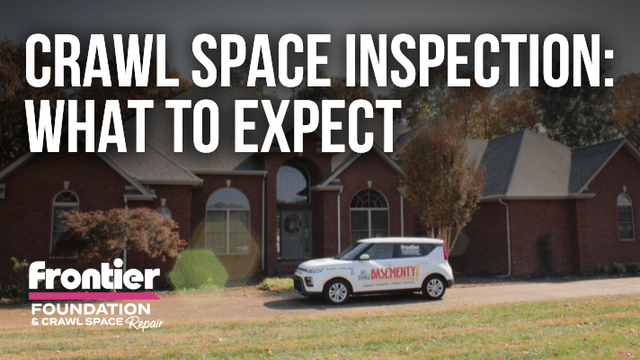
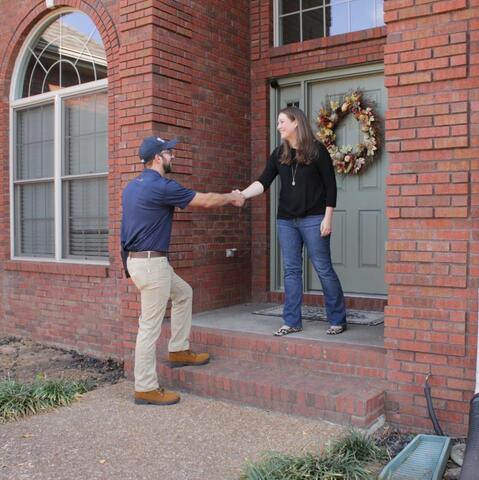
Musty odors, sagging floors, and cold floors often start with problems in the crawl space. A professional crawl space inspection can help identify what's causing these issues before they lead to more extensive damage.
Already have an inspection scheduled? Great! Here's what you can expect when a Frontier design specialist visits your home.
Arrival at Your Home
Your design specialist will call 30 to 60 minutes before your appointment to let you know they're on the way. At Frontier, we respect homeowners' time, and that starts with showing up when we say we will.
Once they arrive, your specialist will introduce themselves and ask about the issues you've been experiencing and how long you've noticed them. Understanding your concerns before entering the crawl space helps us focus on the areas that matter most to you.
Inspecting the Crawl Space
Before entering the crawl space, the design specialist will walk around the exterior of your home, looking for foundation cracks, grading concerns, and signs of water intrusion. They'll also identify potential locations for a drainage system discharge line if one is needed.
They'll then return to their vehicle to gather their gear, which helps them safely inspect every part of your crawl space.
Once inside, the specialist will measure the crawl space and create a scaled drawing of its layout, noting the location of support posts, beams, plumbing lines, and any access points. This drawing becomes the basis for the project design, and it's how your specialist determines what solutions are needed, where equipment like a sump pump or dehumidifier would be installed, and what the project will cost.
If you've noticed sagging, uneven, or bouncy floors, the design specialist will pay close attention to the structural supports beneath your home. They will inspect floor joists, beams, and support posts for signs of settlement, damage, or wood rot. Moisture problems can weaken these supports over time, causing floors above to sag or feel unstable when walked on.
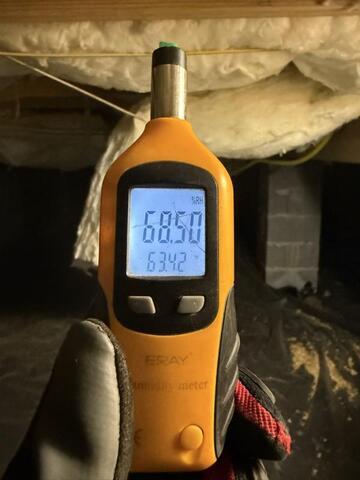
Because high humidity is one of the leading causes of crawl space problems throughout the South, the specialist will use a hygrometer to measure the relative humidity. Relative humidity above 60% creates conditions where mold and mildew can grow, and pests are more likely to thrive.
In addition to measuring humidity levels, the specialist will use a wood moisture meter to test the moisture content of floor joists and other wooden structural components. Readings above 19% indicate conditions where wood rot can begin to develop and should be addressed promptly.
If moisture appears to be a concern, the specialist will look for signs of water intrusion. Sometimes the evidence is obvious, such as standing water on the crawl space floor. More often, it appears through clues like efflorescence on foundation walls, condensation on plumbing lines, rust on metal components, or mold growth on wood surfaces.
If a drainage system and sump pump are recommended, the specialist will use a laser level to identify the lowest point in the crawl space, which helps determine the best location for the sump pump.
Throughout the inspection, the specialist will take photos of everything they find so they can clearly explain their observations when the inspection is complete.
After the Inspection
Once the inspection is finished, your design specialist will change out of their protective gear and review their findings with you. You will receive a virtual tour of your crawl space through images the specialist has taken.
If your crawl space has multiple issues that need attention, your specialist can help create a phased plan that fits your budget, and easy payment options can make the project more manageable. If you'd rather focus on specific concerns first, we can also prioritize the repairs that matter most to you.
At Frontier, our design specialists don't believe in recommending products you don't need. Instead, they'll explain the solutions they recommend, why they're recommending them, and the costs associated with each option.
Our goal is to give you a clear understanding of your crawl space and the information you need to protect your home confidently.
Still need to schedule an appointment? We can’t wait to hear from you.
Frequently Asked Questions
How long does a crawl space inspection take?
Most crawl space inspections take between 1 to 2 hours, depending on the size of the crawl space and the number of concerns being evaluated. Larger crawl spaces or homes with multiple issues may require additional time.
Do I need to enter the crawl space during the inspection?
No. Your design specialist will handle the inspection and document the conditions they find with photos. Afterward, they'll review the findings with you and answer any questions you have.
What problems can a crawl space inspection uncover?
A crawl space inspection can identify moisture intrusion, high humidity, mold growth, wood rot, sagging floors, damaged support systems, poor drainage, pest-friendly conditions, and other issues that may affect your home's structure and air quality.
What happens after the inspection?
After the inspection, your specialist will explain their findings, show you photos from the crawl space, and discuss any recommended solutions. If repairs are needed, they'll help you understand your options and prioritize the work based on your goals and budget.
Read more...