4.9
4.9 Allergies or Crawl Space Mold? What Your Home Could Be Telling You
TLDR
If your “allergies” seem worse inside your home, especially alongside musty odors, humidity, or a cat pee-like smell, your crawl space could be part of the problem. Moisture underneath the home can lead to mold growth, and that air doesn’t always stay contained below the floors. In humid Southern climates like Tennessee, Kentucky, and Alabama, crawl space moisture problems are incredibly common. Signs like damp insulation, condensation, or musty smells often point to excess moisture below the home.
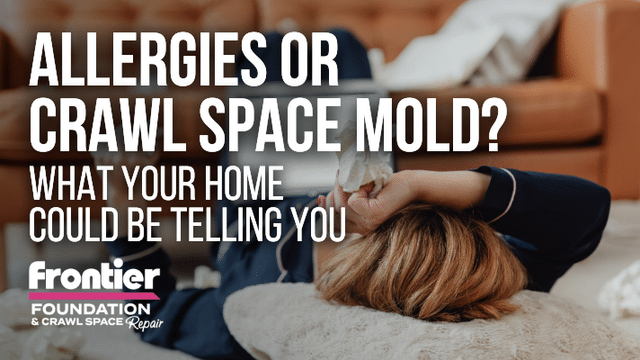
Maybe your nose feels stuffed up every morning. Maybe your throat feels scratchy when you wake up. Or maybe there’s a damp smell in the house that never completely disappears, no matter how clean everything looks.
Most homeowners assume it’s seasonal allergies. And sometimes it is.
But in many homes across Tennessee, Kentucky, and Alabama, the real issue is hiding beneath the house.
The crawl space.
It’s easy to forget about because you rarely see it. But when moisture builds up below a home, it can affect much more than the structure itself. That damp environment can lead to mold growth, musty odors, and air quality issues that homeowners feel every day without realizing where they’re coming from.
Why Mold Symptoms Feel Like Allergies
Crawl space mold doesn’t always cause dramatic warning signs right away. Most of the time, homeowners first notice symptoms that feel completely normal for allergy season.
Congestion. Watery eyes. Sneezing. Coughing.
The overlap is what makes it difficult to identify.
Seasonal allergies usually follow a pattern. They flare up when pollen counts rise or after spending time outdoors. You might notice symptoms after mowing the yard or walking outside on a windy spring day.
Moisture-related issues inside a home tend to behave differently.
A lot of homeowners start realizing:
- They feel worse at home than anywhere else
- Symptoms seem stronger downstairs
- The house feels humid even when the thermostat is comfortable
- They wake up congested in the morning, then improve later in the day
Sometimes the biggest clue isn’t physical symptoms at all.
It’s the smell.
That earthy, damp odor that homeowners can never fully get rid of.
People describe it differently all the time. Some say it smells like wet wood. Others compare it to an old basement or damp soil after rain. Whatever the description, it usually points to one thing: moisture.
And moisture below a home rarely stays isolated to the crawl space.
Your Crawl Space Impacts the Air Upstairs
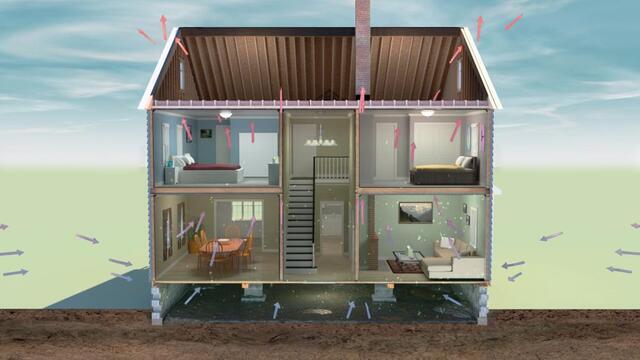
Most people think of the crawl space as separate from the rooms they live in.
In reality, your home constantly moves air upward. As air rises and escapes through the upper levels of the home, it pulls replacement air from below, including the crawl space.
So if the crawl space is damp, humid, or moldy, those conditions can influence the air circulating throughout the home.
That’s why homeowners are often surprised to learn that a crawl space problem can show up as:
- Persistent indoor odors
- Humidity issues
- Increased allergy-like symptoms
- Rooms that feel uncomfortable even with the HVAC running
The crawl space may be out of sight, but it’s still connected to the rest of the house.
Signs Your Crawl Space May Have a Moisture Problem
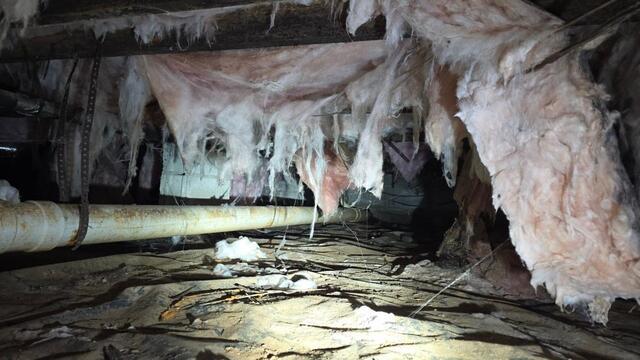
You don’t need standing water underneath your home for mold to become an issue.
In fact, many crawl spaces with serious humidity problems never fully flood.
Instead, homeowners notice smaller warning signs over time.
Insulation starts falling because it absorbed moisture and became heavy. Pipes begin sweating during warm weather. The air underneath the house feels damp. Wooden floor joists may look darker than normal or develop staining.
Sometimes homeowners only discover the issue after going into the crawl space for something unrelated.
Other times, the smell inside the house is what finally pushes them to investigate.
Common signs include:
- A musty odor that lingers indoors
- Condensation on ductwork or pipes
- Damp or muddy soil
- Visible mold or staining
- Sagging insulation
- High humidity in the home
And in the South, these problems are incredibly common.
To learn more about how humidity rises in your crawl space, visit: What Causes Humidity in a Crawl Space
Why Crawl Space Mold Happens So Often in the South
Homes throughout Tennessee, Kentucky, and Alabama deal with a combination of humidity, rainfall, and clay-heavy soil that naturally holds moisture around foundations.
Add traditional crawl space vents into the mix, and it creates the perfect environment for moisture problems.
A lot of homeowners still assume vents help dry out a crawl space. In humid climates, they often do the opposite.
Warm outdoor air enters through the vents and raises the relative humidity below the home. As moisture levels climb, the crawl space becomes the perfect environment for condensation and mold growth.
Ground moisture also plays a major role. Even when there’s no visible water intrusion, moisture naturally rises from the soil below the home every day. Without proper protection, that moisture continues feeding humidity underneath the house year-round.
That’s why mold is rarely the actual starting point.
The real issue is moisture.
To learn more about why mold grows in your crawl space, visit: Why You Have Mold in Your Crawl Space in Tennessee, Kentucky, and Alabama
What Homeowners Should Pay Attention To
If your house constantly smells damp or allergy symptoms feel worse indoors, it’s worth taking a closer look underneath the home.
Start by paying attention to patterns.
Do symptoms improve after leaving the house for a while? Does the first floor feel stuffier than upstairs? Is there a room that always seems more humid than the others?
Then look for physical signs of moisture:
- Damp insulation
- Condensation
- Visible staining
- Torn vapor barriers
- Soft soil
- Humid air in the crawl space
Even small issues can point toward a larger moisture problem developing below the home.
Summary
Not every cough or sneeze means there’s mold in your crawl space.
But if indoor symptoms, musty odors, and humidity seem connected, your home may be trying to tell you something.
A crawl space affects more than most homeowners realize. And when moisture is allowed to build up underneath a home, the effects often show up upstairs long before homeowners ever see visible damage below.
Sometimes the problem isn’t what’s floating around outside.
It’s the damp air slowly moving up from underneath your floors.
Frequently Asked Questions
Why does my house smell like cat pee even though I don’t have cats?
Some crawl space moisture and mold problems create strong ammonia-like odors that homeowners often compare to cat urine. If the smell keeps coming back with no clear source inside the home, moisture underneath the house could be contributing to it.
How do I know if it’s allergies or crawl space mold?
Seasonal allergies usually feel worse outdoors during high pollen days. Crawl space mold symptoms often feel worse indoors, especially on the first floor or after spending long periods at home.
Can mold grow in a crawl space without standing water?
Yes. High humidity, condensation, and moisture rising from the soil can all create conditions for mold growth, even if the crawl space never floods.
What are the signs of moisture problems in a crawl space?
Common warning signs include musty odors, damp or fallen insulation, condensation on pipes or ductwork, humid air, soft soil, or visible staining and mold growth.
What should homeowners do if they suspect crawl space mold?
Start by checking for odors, humidity, and visible signs of moisture underneath the home. A professional crawl space inspection can help identify whether mold, humidity, or water intrusion is contributing to the problem.