 4.9
4.9 How CleanSpace is Different from Traditional Vapor Barrier
TLDR
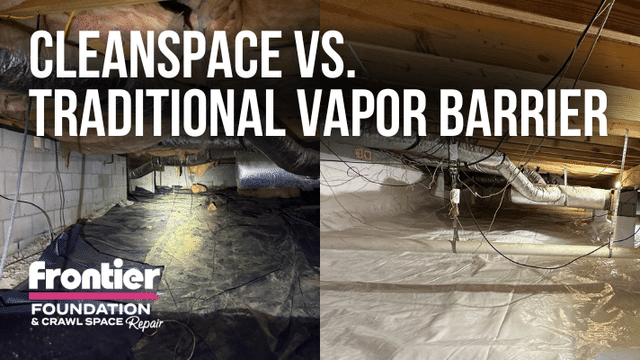
A traditional vapor barrier is a thin plastic sheet placed on the crawl space floor to help slow moisture from the ground. It is often not sealed, easily damaged, and does not address humidity or air movement, which are the main causes of crawl space problems in our region.
CleanSpace is a thicker, more durable liner installed as part of a full encapsulation system. It is sealed at the seams, extended up the walls, and paired with drainage, a sump pump if needed, and a dehumidifier. This approach is designed to control moisture, humidity, and air movement together, helping protect your crawl space and the home above it long term.
Why This Matters for Homeowners
If you’ve ever looked into your crawl space and seen plastic on the ground, you might assume your home is protected. In reality, many crawl spaces with vapor barriers still struggle with moisture, mold, and musty odors.
The difference comes down to three things:
- The material being used
- How it’s installed
- Whether it’s part of a complete system
How Is the Material Different?
In many homes across Middle Tennessee, Southwest Kentucky, and Northern Alabama, builders install a 6-mil vapor barrier. This material is thin, similar to a heavy trash bag, and is prone to tearing, shifting, and breaking down over time.
Once damaged, it no longer provides consistent protection.
CleanSpace is designed and built differently.
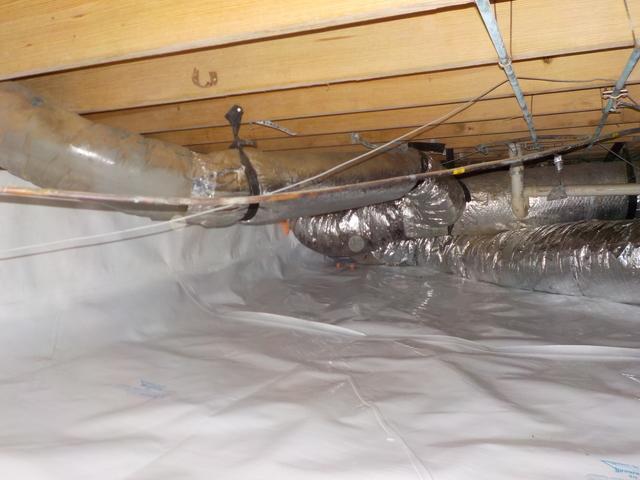
It uses a 20 mil thick liner, more comparable to a durable pool liner than household plastic. The material is engineered with:
- Multiple layers for flexibility and strength
- Polyester cord reinforcement for tear resistance
- A bright white finish that improves visibility in the crawl space
- An antimicrobial additive to prevent mold growth on the liner itself
This durability allows it to stay intact even in high-traffic service areas and over uneven ground.
How Is Installation Different?
Traditional vapor barriers are typically:
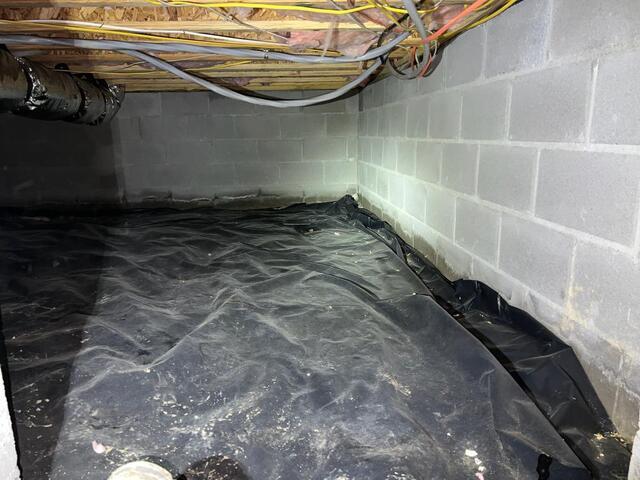
- Laid loosely across the floor
- Left open at the edges
- Not sealed to walls or structural components
This leaves gaps where moisture can still enter the space. In vented crawl spaces, humid outside air continues to move in, making the barrier far less effective.
CleanSpace installation is more comprehensive.
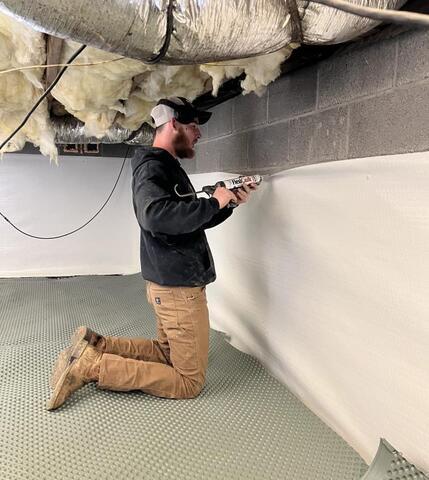
The system includes:
- Drainage matting installed along the floor to protect the liner and allow water to move beneath it
- A liner that is overlapped and sealed at seams
- Coverage that extends up the crawl space walls
- Wrapping around piers and structural elements
A small gap is intentionally left at the top of the wall to allow access for pest control treatments.
Instead of simply covering the ground, CleanSpace creates a sealed environment that limits moisture intrusion from multiple directions.
How Is the System Different?
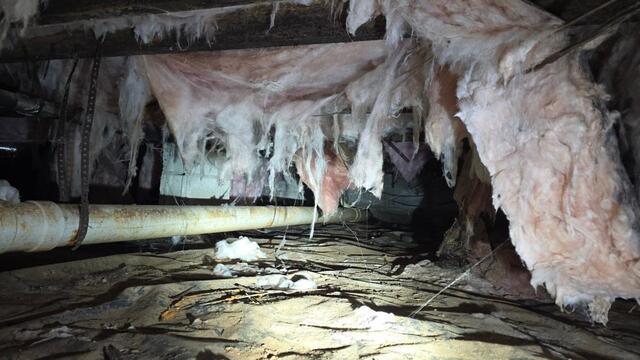
This is where the biggest difference shows up.
A traditional crawl space setup often includes:
- Open vents
- Fiberglass insulation between floor joists
- A thin vapor barrier on the ground
Over time, this combination can lead to:
- Increased humidity from outside air entering through vents
- Condensation forming on cold surfaces
- Insulation absorbing moisture and falling down
- Persistent damp conditions that affect the home above
Learn more about crawl space humidity: What Causes Humidity in a Crawl Space?
CleanSpace is part of a full crawl space encapsulation system designed to address all of these issues.
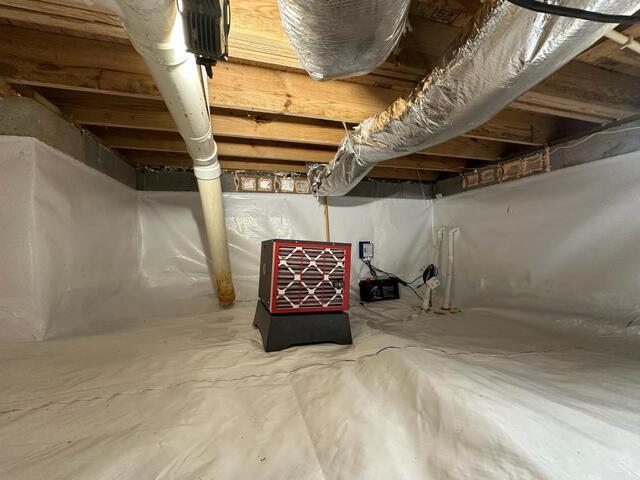
When a Frontier design specialist evaluates a crawl space, they look for signs of:
- Standing water
- Water intrusion
- High humidity levels
- Structural concerns
Based on what’s found, the system may include:
- A drainage system to collect groundwater
- A TripleSafe sump pump to remove water from the space
- Sealed vents using insulation panels
- An EverLast crawl space door to close off the entry
- A SaniDry Sedona dehumidifier to control humidity long-term
Each component works together to manage moisture throughout the space.
Summary
A traditional vapor barrier is a basic layer of protection. It can help slow moisture, but it does not address the bigger issues affecting crawl spaces in our region.
CleanSpace is designed as part of a system that:
- Seals the space
- Controls humidity
- Manages water intrusion
- Protects the structure of your home
For homeowners dealing with musty odors, moisture, or insulation problems, the difference is often noticeable not just in the crawl space, but throughout the home.
If you’re not sure what’s happening under your home, a professional inspection is the best place to start.
Frontier Foundation & Crawl Space Repair offers free, no-obligation inspections across Middle Tennessee, Southwest Kentucky, and Northern Alabama.
We’ll take a look at your crawl space, explain what we see, and recommend solutions that make sense for your home.
FAQ
Can mold grow on a traditional vapor barrier?
Yes. While the plastic itself doesn’t feed mold, moisture can collect on its surface. Dirt, dust, and organic debris can allow mold to grow in those conditions.
Does CleanSpace prevent all moisture?
CleanSpace helps control moisture, but it works best as part of a full system that includes drainage and dehumidification when needed.
Is encapsulation worth it?
For homes experiencing moisture issues, encapsulation can improve air quality, protect structural components, and reduce long-term repair needs.
How do I know if my crawl space has a problem?
Common signs include:
- Musty odors inside the home
- High indoor humidity
- Sagging or falling insulation
- Visible moisture or standing water