4.9
4.9 Why You Have Mold in Your Crawl Space in Tennessee, Kentucky, and Alabama
TLDR
Mold in a crawl space is caused by moisture, humidity above 60%, and poor airflow. In Tennessee, Alabama, and Kentucky, humid air, clay soil, and vented crawl spaces make this a common problem. Long-term control comes from reducing moisture and sealing the space.
You Probably Didn’t Think About Your Crawl Space… Until Now
You might not think about your crawl space until something feels… off.
Often, it starts with a damp, musty smell that won’t go away even after cleaning the house, lighting a candle, or clearing out that questionable spinach from the fridge. Homeowners have also described a cat pee smell, even when they don’t own animals.
At the end of your rope, you might turn to your crawl space, where up to 60% of the air on your first floor is coming from.
What Causes Mold in a Crawl Space?
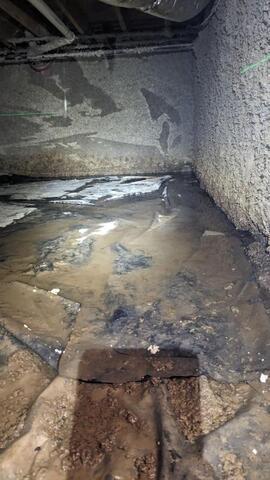
Mold in a crawl space is usually caused by:
- High humidity (above 60%)
- Moisture rising from the ground
- Humid air entering through vents
- Water leaks or poor drainage
- Condensation on cooler surfaces
When these conditions stick around, mold has everything it needs to grow.
Why Mold in Crawl Spaces Is So Common in Tennessee, Alabama, and Kentucky
If you live in this region, your home is already dealing with:
- Heavy humidity most of the year
- 45–55 inches of annual rainfall
- Clay soil that holds moisture
- Older construction with vented crawl spaces
Should Crawl Space Vents Be Open or Closed?
In humid climates like Tennessee, Alabama, and Kentucky, crawl space vents should typically be closed.
In the summer, open vents pull humid air into the crawl space, raising the relative humidity of the air.
In the winter, incoming air cools and creates condensation, adding moisture to the space.
That moisture feeds mold growth.
Quick Check: Do You Have Crawl Space Mold?
- Your home smells musty
- You see discoloration on wood or insulation
- Allergies feel worse indoors
- You’ve had water or moisture issues
If any of these sound familiar, your crawl space may have mold.
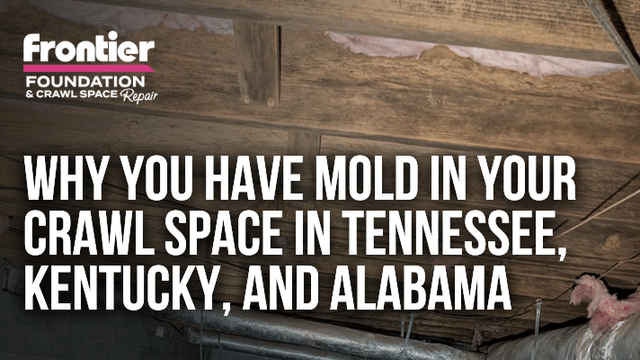
What Mold in a Crawl Space Looks Like
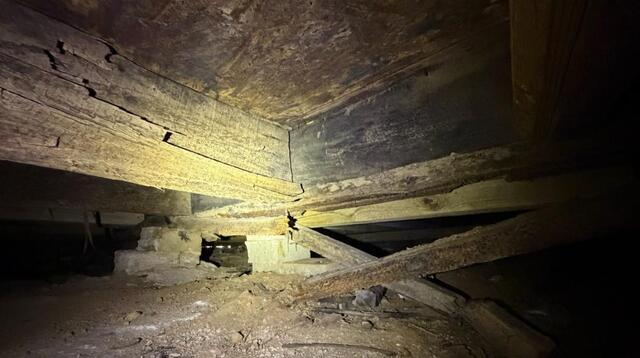
- Patchy or fuzzy growth
- Black, white, or green discoloration
- Spreading or changing over time
Dirt stays flat. Mold changes.
Is Mold in a Crawl Space Dangerous?
Mold in a crawl space can affect indoor air quality and your home over time.
The Centers for Disease Control and Prevention and the Environmental Protection Agency recommend addressing indoor mold growth due to its impact on air quality.
Mold can begin growing within 24–48 hours when moisture is present.
Over time, it can:
- Affect respiratory health
- Contribute to wood rot
- Lower property value
Why Mold Keeps Coming Back in Crawl Spaces
Mold comes back when moisture is still present.
Common reasons include:
- Humid air still entering the space
- Ground moisture not sealed off
- No humidity control
Cleaning the surface removes visible mold, but it doesn’t change the environment.
Learn more about crawl space mold and mildew problems:
https://www.frontierbasementsystems.com/crawl-space-repair/crawl-space-problems/crawl-space-mold-mildew-problems.html
What Happens to Mold When Humidity Is Reduced?
When humidity drops below 60%:
- Mold stops actively growing
- Existing mold becomes dormant
If moisture returns, mold growth can start again.
Why DIY Crawl Space Mold Removal Doesn’t Last
DIY mold removal often misses:
- Moisture in the air
- Moisture coming from the ground
- Mold in hidden areas
Without fixing those, mold returns.
Professional crawl space mold removal often includes MoldX treatments or soda blasting to fully remove growth from surfaces.
How to Get Rid of Mold in a Crawl Space (Long-Term)
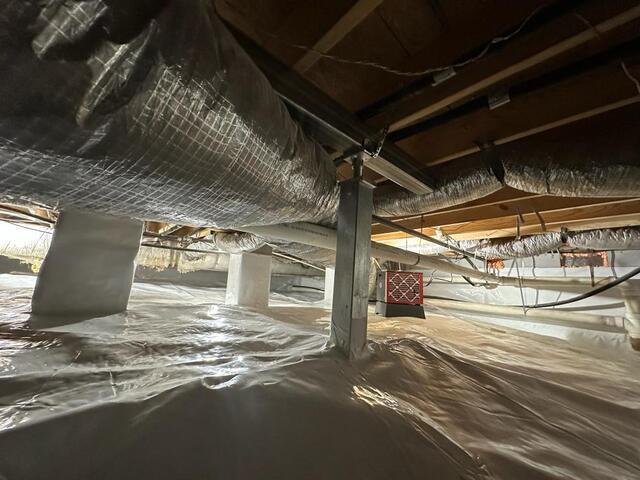
Long-term crawl space mold removal focuses on controlling moisture and humidity.
- Crawl Space Encapsulation
- Encapsulation seals the crawl space from outside air and ground moisture.
- Drainage Matting
- Moves water under the liner instead of letting it sit.
- Sump Pump Systems
- Systems like TripleSafe remove water from the crawl space, while IceGuard and LawnScape help discharge it away from the home.
- Dehumidification
- A system like the SaniDry Sedona keeps humidity below mold-friendly levels.
- Mold Removal Treatments
- MoldX and soda blasting remove existing mold before the space is sealed.
Learn more about crawl space mold removal:
https://www.frontierbasementsystems.com/crawl-space-repair/crawl-space-repair-solutions/crawl-space-mold-removal.html
Bottom Line
Mold in your crawl space is almost always tied to moisture.
In Tennessee, Alabama, and Kentucky, the combination of humidity, rainfall, and vented crawl spaces makes this a common issue.
When moisture and humidity are controlled, mold stops having the conditions it needs to grow.
FAQ
Can I Stay in My Home with Crawl Space Mold?
Yes, but it can affect indoor air quality. Addressing it early helps prevent larger issues.
How Much Does Crawl Space Mold Removal Cost?
Costs vary based on the size of the crawl space and the severity of the issue.
Does Crawl Space Encapsulation Prevent Mold?
Encapsulation helps prevent mold by controlling moisture and humidity.
Can Mold Come Back After Removal?
Yes, if moisture is still present.
How Fast Does Mold Grow in a Crawl Space?
Mold can begin growing within 24–48 hours when moisture is present.
Will Mold Be Covered by Insurance?
Most policies do not cover mold caused by long-term moisture issues.