4.9
4.9 What Is That Noise Under My House? Signs You Have a Critter in Your Crawl Space
TLDR
If you hear scratching, heavier movement, smell unusual odors, or see torn insulation under your home, there’s a good chance a critter has moved into your crawl space. The longer it stays there, the more damage it can cause, especially in humid Southern homes where moisture makes the space even more attractive.
Most homeowners don’t discover a critter in their crawl space because they see it first. They notice it when new sounds, unusual smells, or signs of damage start to appear.
Maybe there’s scratching beneath the floor when the house gets quiet at night, a new odor shows up without a clear source or insulation is hanging down where it shouldn’t be.
After inspecting thousands of crawl spaces across the South, one thing is consistent: animals leave clear signs long before they’re ever seen. If something has changed in your home, it usually isn’t random.
Scratching at Night Usually Means Rodents
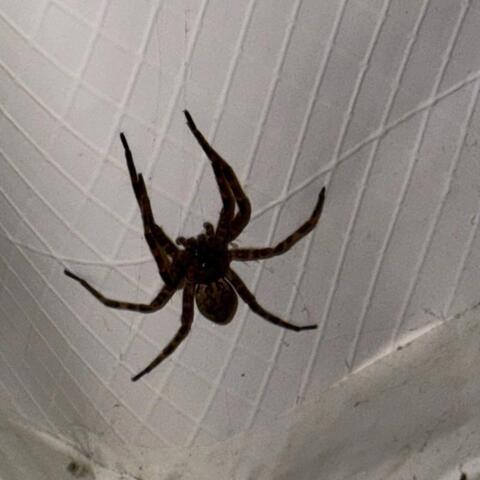
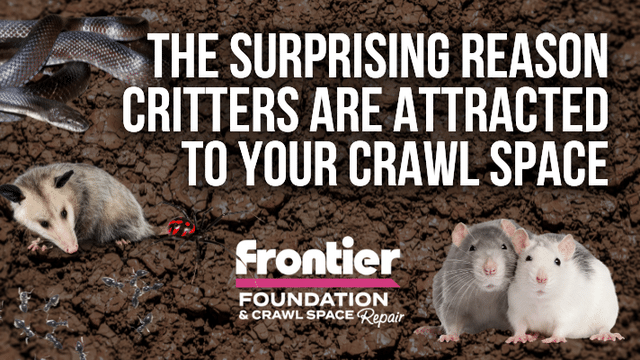
Mice and rats are some of the most common crawl space intruders, especially in homes with easy access points and moisture issues.
The sounds are usually light, quick, and repetitive, like something moving back and forth just under the floor. Most homeowners notice it late at night, when the house is finally quiet.
Rodents can squeeze through very small openings. Gaps around vents, plumbing, and utility penetrations are all common entry points. Once inside, they stay close to insulation and framing, where they can nest and move unnoticed.
You may also see small droppings near beams or along walls, shredded insulation, gnaw marks on wood, or nesting material tucked into corners. Rodents don’t stay idle, and the longer they remain in the crawl space, the more damage they tend to cause.
Heavier Noises Point to Larger Animals
If the sound has more weight to it, like thumping, dragging, or steady movement, it usually points to a larger animal.
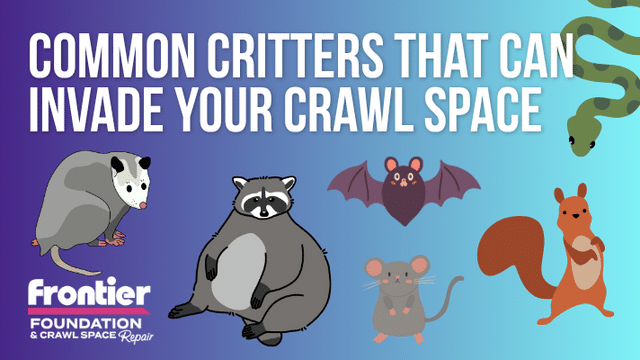
In Tennessee and across the Southeast, raccoons, opossums, skunks, and even armadillos can end up in crawl spaces. These animals move differently from rodents, and they tend to leave behind louder, more disruptive signs.
Instead of small scraps or light nesting debris, you may find insulation pulled down in larger sections, ductwork shifted or torn loose, or visible travel paths where the animal has been moving repeatedly. Larger animals often settle in once they gain access, which is why the damage can build faster than homeowners expect.
Damaged Insulation Is a Visible Warning
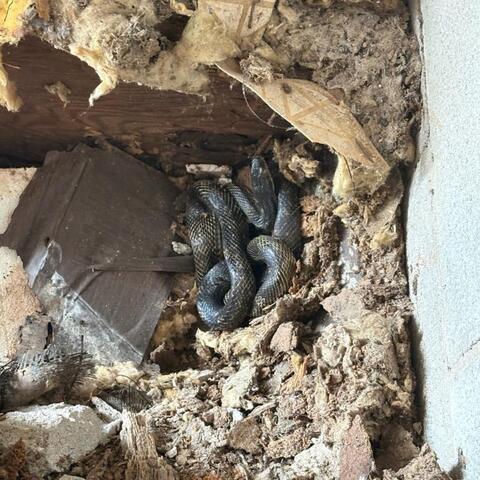
Insulation often shows the first clear evidence of activity under the house.
Rodents tear it apart for nesting. Larger animals push it out of place or pull it down as they move through the crawl space. Either way, it leaves visible disruption.
In Southern homes, that damage matters even more because humidity can make the problem worse. Insulation holds moisture and contributes to odors or deterioration beneath the home.
If insulation is hanging, missing in sections, or packed into odd areas, something has likely been active there recently.
Odors Often Show Up Before Anything Else
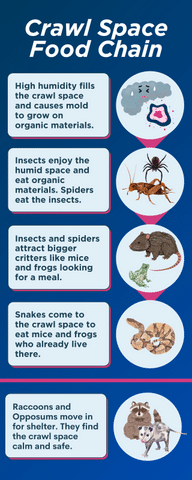
Sometimes the first sign isn’t noise, it’s smell.
Crawl spaces in the South already deal with humidity, and animal activity makes odors stronger and harder to ignore. Urine and droppings can create a sharp, persistent smell, and a dead animal can create an even stronger one. Skunks bring their own unmistakable odor into the mix.
Because air naturally rises from the crawl space into the home, those smells do not stay beneath the floor. If you notice a musty, sharp, or foul odor indoors, the cause may be coming from below.
What Crawl Space Repair Should Address
Finding an animal in your crawl space is usually a symptom of a larger problem. Replacing damaged insulation or cleaning up contaminated materials is important, but those repairs alone won't stop animals from coming back.
Effective crawl space repair addresses the conditions that attracted wildlife in the first place. That often means sealing entry points, controlling moisture, and repairing damage caused by long-term exposure to humidity and pests.
For many homeowners, encapsulation is part of the solution. While encapsulation isn't a form of pest control, it creates a more controlled environment beneath the home. By reducing moisture and sealing the crawl space from outside air, encapsulation helps eliminate many of the conditions that make the space attractive to unwanted visitors.
What Happens Next Matters
Most homeowners don't discover an animal in their crawl space because they see it. They hear scratching beneath the floor, notice a strange odor, or find torn insulation where it shouldn't be.
Those early warning signs matter. The longer an animal has access to the crawl space, the more opportunity it has to damage materials, leave contamination behind, and create larger repair issues.
Once the animal has been removed, the next step is a crawl space inspection. We offer free inspections to identify moisture problems, damaged materials, and potential entry points that may be attracting wildlife beneath your home. From there, we can recommend the right repair for your home.
That is how you stop a small issue from turning into a bigger one.
FAQ
Do I need to remove the animal before calling you?
If you know an animal is actively living in the crawl space, contacting a pest control or wildlife removal company first is a reasonable step. Once the animal is gone, we can inspect the crawl space, identify how it got in, and address the moisture and damage that made the space attractive in the first place. If you're not sure whether an animal is still present, a crawl space inspection is still a good starting point.
What are the most common signs of a critter in a crawl space?
In Tennessee homes, the first signs are usually scratching at night, heavier movement beneath the floor, torn insulation, droppings, or a musky smell that seems to come and go. In humid weather, those odors and signs often become more noticeable because the crawl space holds moisture longer.
What animals usually get into crawl spaces in Tennessee?
Mice and rats are the most common, but raccoons, opossums, skunks, and even armadillos can show up in crawl spaces across Middle Tennessee. The mix of wooded lots, older foundation styles, and warm, damp conditions gives wildlife plenty of chances to get in.
Why do crawl spaces seem worse in the South?
Crawl spaces in the South deal with heat and humidity for much of the year, which makes them more attractive to animals and harder to keep dry. Moisture can also make insulation sag, wood smell musty, and odors move more easily into the living space above.
Can critters damage more than just insulation?
Yes. They can chew wiring, tear ductwork, contaminate insulation, and leave behind waste that affects air quality in the home. In a humid crawl space, those problems can spread faster because damp conditions make cleanup and repair more urgent.
Read more...