4.9
4.9 Homeowner Guide to Removing Crawl Space Mold
TLDR
Crawl space mold is usually caused by excess moisture, high humidity, standing water, or vented crawl spaces that allow humid Southern air under the home. While bleach or portable dehumidifiers may temporarily help, mold often returns if the underlying moisture problem is not addressed.
Professional mold removal may include treatments like MoldX and soda blasting to clean affected wood surfaces. In severe cases, damaged wood may need to be replaced.
Long-term mold prevention typically involves crawl space encapsulation, drainage systems, sump pumps, and dehumidification to control moisture and humidity beneath the home.
If you’ve noticed a musty smell in your home, visible mold under your floor joists, or high humidity in your crawl space, you’re not alone. Crawl space mold is one of the most common issues homeowners across Tennessee, Kentucky, and Alabama deal with, especially in humid Southern climates.
Unfortunately, many homeowners clean the mold they can see without addressing the moisture problem causing it. That often leads to mold returning again and again.
In this guide, we’ll explain:
- What causes crawl space mold
- Why some DIY solutions don’t work long-term
- How professionals remove crawl space mold
- What helps prevent mold from returning
Why Mold Grows in Crawl Spaces
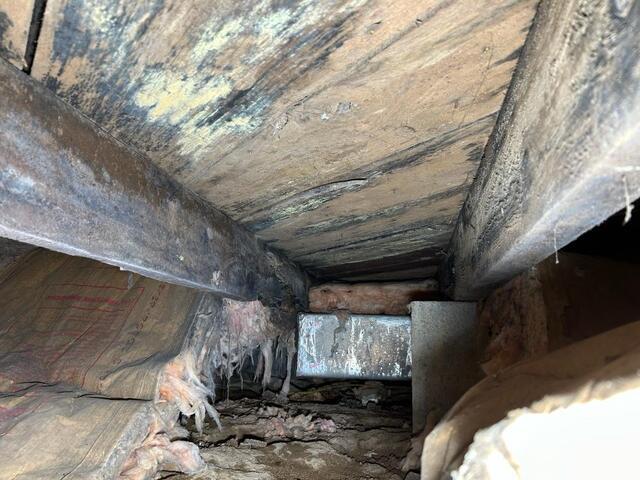
Mold thrives in damp, humid environments with organic material to feed on. Crawl spaces are the perfect environment because they often contain:
- Wood floor joists
- Insulation
- Dust and debris
- High humidity
- Standing water or condensation
Mold typically begins growing when relative humidity rises above 60%. In the South, crawl spaces frequently stay above this level due to outdoor humidity, poor drainage, groundwater intrusion, and vented crawl space designs.
Many homeowners are surprised to learn that the air in the crawl space can affect the rest of the home. Because of the stack effect, air naturally rises from the crawl space into the living areas above it. That means mold spores, odors, and humid air can travel upward into your home.
Signs You May Have Crawl Space Mold
Some homeowners discover mold during a crawl space inspection, while others notice symptoms inside the home first.
Common signs of crawl space mold include:
- Musty odors inside the home
- Allergy-like symptoms indoors
- Condensation on pipes or ductwork
- Falling insulation
- Visible mold on floor joists or subflooring
- Soft or sagging floors
- High indoor humidity
- Wood rot or moisture damage
Some homeowners even describe the smell as similar to wet wood, mildew, or cat urine.
What You May Have Tried That Didn’t Work
Spraying Bleach or Vinegar
We often reach for bleach first as a mold killer. It is a biocide that destroys living organisms, which is why it’s great for cleaning bacteria. The Environmental Protection Agency advises against using bleach to clean mold because it can leave behind mold spores that continue to grow if moisture conditions remain.
Even if bleach temporarily removes visible staining, it does not solve the moisture problem that caused the mold in the first place. If humidity levels stay high, mold usually returns.
Adding a Dehumidifier
Dehumidifiers are an effective way to dry out a space and help prevent mold growth. Mold generally needs at least 60% relative humidity to thrive.
However, if you only add a dehumidifier and neglect to address moisture intrusion, the unit may have to work much harder than intended. In crawl spaces with active water intrusion or open vents, portable dehumidifiers often become overwhelmed and ineffective.
Adding Crawl Space Vents
Traditional building science once recommended adding vents to improve airflow beneath the home. Unfortunately, in Southern climates, vented crawl spaces often create more moisture problems instead of fewer.
During the summer, warm, humid air enters the cooler crawl space and raises the relative humidity. As the warm air cools, condensation forms on pipes, ductwork, and wood framing.
During the winter, cold outside air can enter the crawl space and contribute to frozen pipes or condensation buildup.
This cycle of moisture creates ideal conditions for mold growth throughout the year.
How to Remove Crawl Space Mold
MoldX
MoldX Mold Killer is commonly used as part of crawl space mold remediation. It is a multi-purpose cleaner, disinfectant, and deodorizer designed to kill mold and odor-causing bacteria.
It is bleach-free and helps inhibit the growth of mildew and mold when used as directed.
Soda Blasting
Soda blasting is one of the most effective professional methods for crawl space mold removal.
This process uses a non-toxic blasting material that removes mold from wood surfaces and penetrates grooves and pores where mold spores may be hiding. Soda blasting helps clean the wood more thoroughly than surface wiping alone.
It is commonly used on:
- Floor joists
- Subflooring
- Wooden support beams
Soda blasting is especially helpful when mold growth is widespread across structural wood framing.
Learn more about soda blasting: Crawl Space Mold Removal
Wood Replacement
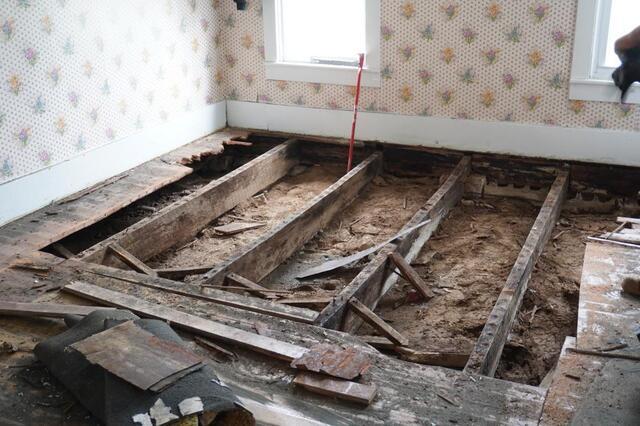
In severe cases, mold and moisture can damage crawl space wood beyond repair. Prolonged exposure to high humidity or standing water can weaken floor joists, beams, subflooring, and other structural components.
Signs of severe wood damage include:
- Soft or rotting wood
- Sagging floors
- Crumbling or flaking wood
- Structural movement
If the wood can no longer safely support the home, damaged sections may need to be replaced before moisture control systems are installed. After repairs are completed, encapsulation and dehumidification can help protect the new wood from future moisture damage.
Why Mold Often Comes Back
One of the biggest mistakes homeowners make is treating only the visible mold. Mold is usually a symptom of excess moisture, not the root problem itself.
Mold can return after cleaning if the crawl space still has:
- Standing water
- High humidity
- Open vents
- Poor drainage
- Condensation
- Groundwater intrusion
Long-term mold prevention focuses on controlling moisture under the home.
Long-Term Crawl Space Mold Prevention
Crawl Space Encapsulation
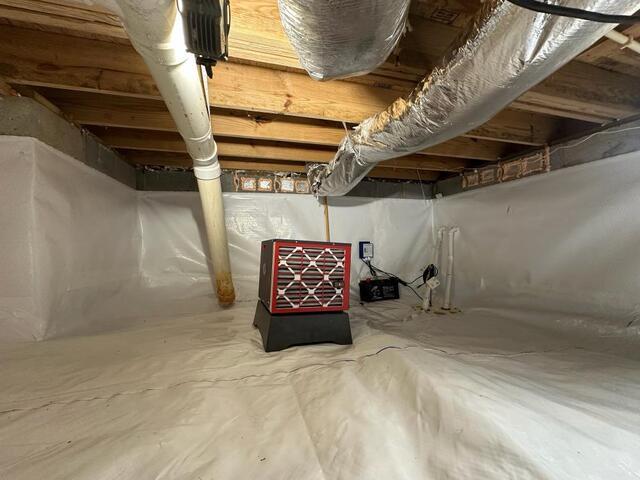
Encapsulation seals the crawl space off from outside humidity and ground moisture.
A properly encapsulated crawl space typically includes:
- A heavy-duty vapor barrier across the floors, walls, and piers
- Sealed crawl space vents
- Drainage systems when needed
- Humidity control
At Frontier, we often install the CleanSpace crawl space encapsulation system. Unlike thin plastic vapor barriers commonly found in crawl spaces, CleanSpace is a thick reinforced liner designed to resist tearing and create a cleaner, drier environment beneath the home.
Encapsulation can help:
- Reduce mold growth
- Lower humidity
- Improve indoor air quality
- Reduce musty odors
- Protect wood framing
- Improve energy efficiency
- Discourage pests
Crawl Space Drainage Systems
If water is entering the crawl space, encapsulation alone may not be enough.
Many homes throughout Middle Tennessee, Southern Kentucky, and Northern Alabama experience crawl space moisture because of:
- Heavy rainfall
- Clay soils
- Hydrostatic pressure
- Poor exterior drainage
Drainage systems collect water around the crawl space perimeter and direct it toward a sump pump system.
At Frontier, this often includes systems like:
- Perimeter drainage systems
- TripleSafe® sump pumps
- IceGuard® discharge protection
- LawnScape® drainage outlets
These systems help remove water before it can contribute to mold growth and humidity problems.
Crawl Space Dehumidifiers
Even after moisture intrusion is addressed, humidity control remains important in Southern climates.
A crawl space dehumidifier helps maintain healthier humidity levels year-round. Ideally, crawl space humidity should remain below 60% relative humidity to discourage mold growth.
Unlike small portable household dehumidifiers, systems like the SaniDry Sedona are designed specifically for crawl spaces and basements and can operate continuously in demanding environments.
Should You Remove Crawl Space Mold Yourself?
Homeowners may sometimes clean small surface-level mold areas. However, widespread mold growth or recurring mold often indicates a larger moisture issue that should be professionally evaluated.
A professional crawl space inspection can help determine:
- Where moisture is entering
- Whether drainage is needed
- If wood damage has occurred
- Whether humidity levels are too high
- What long-term solutions may help prevent mold from returning
Protect Your Crawl Space From Mold
Crawl space mold is usually a sign of excess moisture beneath your home. Cleaning visible mold without fixing the source of the moisture often leads to recurring problems.
Long-term crawl space mold prevention typically involves:
- Moisture control
- Drainage solutions
- Encapsulation
- Humidity management
If you’ve noticed mold, musty odors, standing water, or high humidity in your crawl space, Frontier Foundation & Crawl Space Repair offers free crawl space inspections across Middle Tennessee, Southern Kentucky, and Northern Alabama.
Our team can help identify the source of the problem and recommend solutions designed for long-term moisture control and protection.
Frequently Asked Questions About Crawl Space Mold
What causes mold in a crawl space?
Crawl space mold is usually caused by excess moisture. Common causes include high humidity, standing water, groundwater intrusion, poor drainage, condensation, and vented crawl spaces that allow humid outdoor air inside.
Will bleach kill crawl space mold?
Bleach may temporarily clean surface mold, but it usually does not solve the moisture issue causing the mold. If humidity and moisture remain high, mold often returns.
Can a dehumidifier get rid of crawl space mold?
A dehumidifier can help lower humidity levels and discourage mold growth, but it may not fully solve the problem if water intrusion or outside humidity is still entering the crawl space.
What is the best way to prevent crawl space mold?
Long-term mold prevention usually involves controlling moisture under the home through encapsulation, drainage systems, sump pumps, and crawl space dehumidifiers.
Can mold damage crawl space wood?
Yes. Over time, excess moisture and mold can weaken floor joists, beams, subflooring, and other wooden structural components. Severe damage may require wood replacement or structural reinforcement.
Read more...