4.9
4.9 The Surprising Reason Critters Are Attracted to Your Crawl Space
TLDR
Animals are often attracted to crawl spaces because they provide moisture, food, shelter, and easy access. High humidity can attract insects, which in turn attract rodents, and rodents can attract larger predators like snakes. Common entry points such as open vents, damaged crawl space doors, and foundation gaps make it easy for critters to move in. Crawl space encapsulation helps reduce moisture, limit food sources, and seal common access points, making the space far less attractive to unwanted pests.
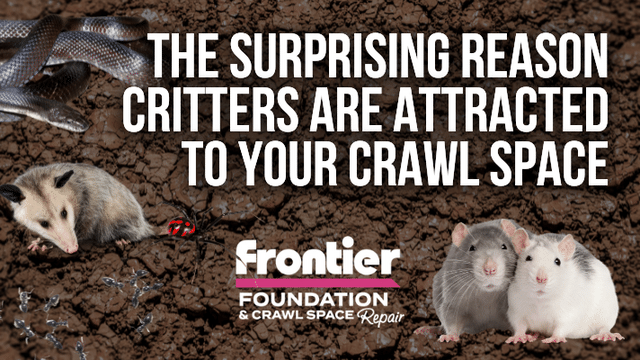
Rats. Snakes. Skunks. Oh My!
One thing we've learned after spending time around crawl spaces is that animals aren't just randomly picking homes to move into.
If you've got critters under your house, there's usually a reason.
At Frontier, we inspect crawl spaces every day across Tennessee, Kentucky, and Alabama, and we see the same pattern over and over. A homeowner starts noticing a musty smell, hears scratching under the floor at night, or spots signs of an animal around the foundation. When we get into the crawl space, we often find the same thing: moisture.
Most homeowners think they have an animal problem. In reality, they have a crawl space problem that's attracting animals.
Why Are Animals Bad to Have Under Your Home?
As much as we enjoy seeing wildlife outdoors, we don't want it living under our houses, and we don't recommend you do either.
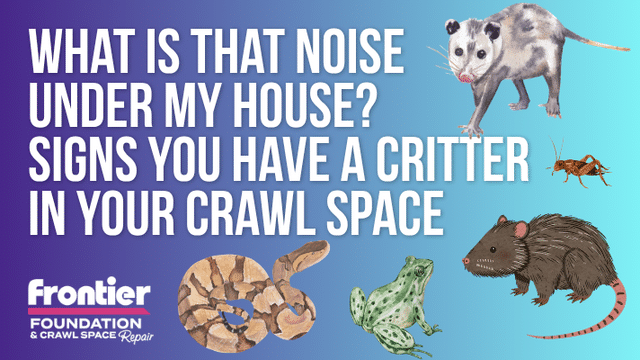
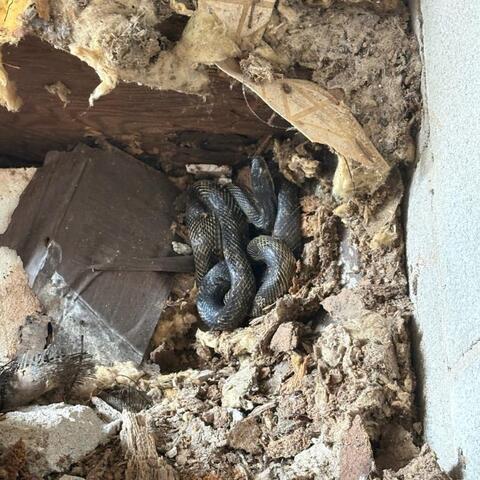
A critter in your crawl space can cause more damage than most people realize. We've seen rodents tear apart insulation, chew electrical wiring, and damage ductwork. We've seen raccoons and opossums turn crawl spaces into nesting areas. We've even seen snakes move in because there was already a rodent problem underneath the home.
The bigger concern is what gets left behind. Droppings, urine, bacteria, odors, and parasites can all end up in the space beneath your family. Since the air in your crawl space naturally rises into your home, those conditions don't always stay below the floor.
That's why we encourage homeowners to address critter issues quickly. The longer they stay, the more damage they can cause.
To learn more, visit: Common Critters That Can Invade Your Crawl Space
What Causes Animals to Come Under Your Home?
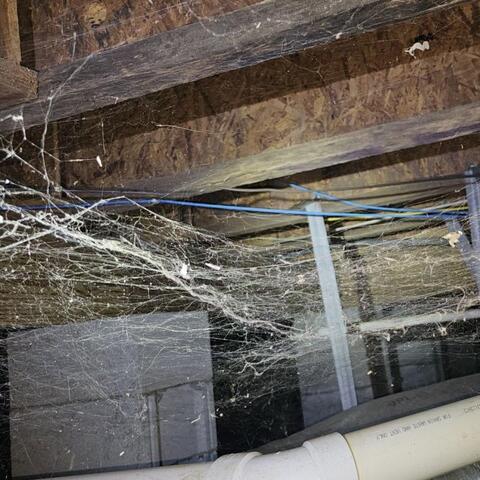
People often ask us, "Why would an animal want to live under my house?"
The answer is pretty simple. Your crawl space gives them everything they're looking for.
Moisture Creates the Perfect Environment
If we had to point to the number one thing that attracts critters, it would be moisture.
When a crawl space stays damp, it becomes comfortable for insects and other small pests. Humidity levels above 60% can create condensation and damp surfaces that many bugs need to survive.
Once those insects move in, other animals start following the food source.
It's not much different than a restaurant opening in town. If there's food available, something is going to show up looking for a meal.
One Pest Leads to Another
Nature has a way of stacking problems.
First come the insects. Then come the spiders and other predators. Then come the mice and rats looking for food.
And if you've got mice and rats, there's a good chance something else is going to show up looking for them.
We've had homeowners call us after they found a snake in their crawl space, but the snake wasn't the real problem. The rodents it was feeding on were.
By the time you notice a larger critter, there's often a bigger issue underneath the surface.
Your Crawl Space Feels Safe
Think about your crawl space from an animal's perspective.
It's dark. It's quiet. It's protected from the weather and predators.
For many animals, that's the perfect place to build a nest or raise young.
Add a little moisture and a reliable food source, and you've created a pretty attractive place to live.
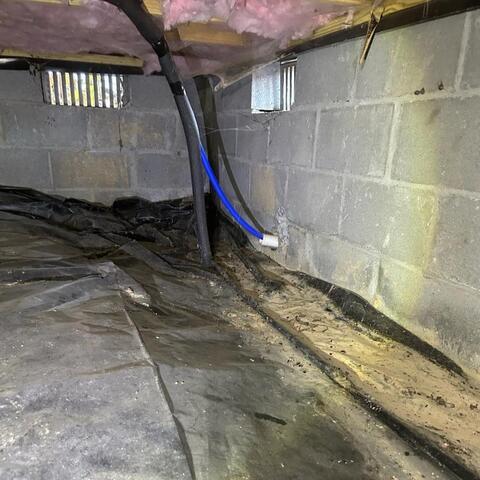
Easy Ways In
Another thing we commonly see is easy access.
Damaged crawl space doors, open vents, gaps around plumbing, and foundation openings can all give critters a way inside.
Some rodents can squeeze through surprisingly small openings. Once they find a way in, they tend to come back.
How Encapsulation Helps Keep Critters Away
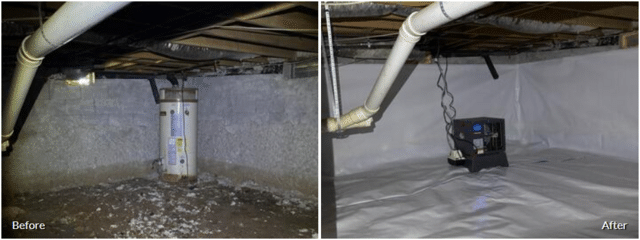
When most people hear "crawl space encapsulation," they think of a plastic liner on the ground. In reality, it's a system designed to remove many of the things critters are looking for.
First, any water entering the crawl space is addressed with a drainage system and sump pump. Standing water attracts insects and creates the damp conditions that many pests need to survive.
Next, drainage matting and a CleanSpace liner help separate the crawl space from the earth below. This reduces ground moisture and creates a cleaner environment that's less inviting to insects, rodents, and other animals.
A SaniDry Sedona dehumidifier then helps keep humidity below 60%, making it harder for mold, dust mites, and many insects to thrive. With fewer insects present, larger pests have less reason to move in looking for food.
Finally, sealing foundation vents and installing a durable crawl space door helps reduce the easy entry points that many critters use to get underneath a home.
No encapsulation system can guarantee that an animal will never find its way into your crawl space. But by reducing moisture, limiting food sources, and making access more difficult, you can make your crawl space far less attractive to unwanted guests.
If you're hearing noises beneath your floors, noticing musty odors, or seeing signs of pest activity around your home, the problem may be bigger than the critter itself. Addressing the conditions that attracted it in the first place can help protect your home for years to come.
Frequently Asked Questions
What critters are most commonly found in crawl spaces?
The most common crawl space critters in Tennessee, Kentucky, and Alabama include mice, rats, snakes, raccoons, opossums, squirrels, spiders, termites, and carpenter ants. The type of animal often depends on the conditions in the crawl space, including moisture levels, available food sources, and entry points.
How do critters get into my crawl space?
Animals can enter through foundation vents, damaged crawl space doors, gaps around plumbing or utility lines, cracks in the foundation, and other small openings around the home. Some rodents can squeeze through openings as small as a dime.
Will crawl space encapsulation get rid of critters?
Encapsulation is not a pest removal service, but it can make your crawl space much less attractive to animals. By controlling moisture, reducing insect activity, removing nesting opportunities, and helping seal common entry points, encapsulation addresses many of the conditions that attract critters in the first place.
What are the signs that I have critters in my crawl space?
Common signs include scratching or movement beneath the floor, musty or unusual odors, droppings, damaged insulation, chewed wires, torn vapor barriers, increased insect activity, or visible animal tracks around crawl space entrances. If you notice any of these signs, it's a good idea to have your crawl space inspected.
Read more...