4.9
4.9 The Importance of Sealing Concrete
TLDR
When you look at your driveway or patio, it probably looks like a solid, impenetrable slab. However, if you were to look through a microscope, you’d see that concrete is actually more like a dense sponge. It’s naturally porous, filled with tiny holes and capillary tracts that basically act as an open invitation for water, oil, and chemicals to settle in.
If you want your concrete to last for the long haul, sealing it is the most important maintenance step you can take. Here are the most common questions we get about why this protection is so vital.
How Does the "Freeze-Thaw Cycle" Destroy Concrete?
Water is arguably concrete’s biggest enemy. When rain or snowmelt enters those tiny pores, it gets trapped. In Middle TN, SW Kentucky, and Northern Alabama, temperatures frequently bounce back and forth across the freezing mark.
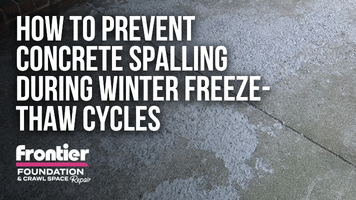
According to the NIH Division of Technical Resources, when that trapped water freezes, it expands by about 9%. This creates massive internal pressure that causes the concrete to flake, chip, and crack from the inside out, a process known as spalling. A professional sealant creates a barrier that prevents moisture from getting in, helping your driveway avoid winter-related decay. For more info, click here.
Can Road Salt and Household Chemicals Cause Permanent Damage?
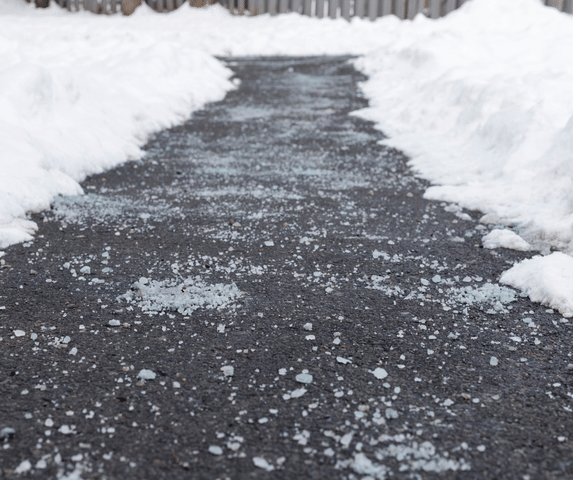
If you’re using de-icing salts in the winter, you might be unintentionally speeding up your concrete's retirement. Salt is "hygroscopic," which is a fancy way of saying it attracts even more water into the concrete's pores. It also lowers the freezing point, which actually increases the number of freeze-thaw cycles your concrete has to endure in a single day.
Beyond salt, substances like oil, gas, and fertilizers can seep into unsealed concrete, leaving deep stains that are nearly impossible to remove. A high-quality sealant keeps these nasty contaminants on the surface, making them much easier to clean off before they cause a permanent eyesore.
Is the Sun Actually "Sunburning" Your Outdoor Surfaces?
Just like your skin, concrete can take a beating from the sun. UV radiation eventually breaks down the polymers that hold the concrete together. Over time, this leads to a process called "dusting," where the surface wears down into a fine powder. A UV-blocking sealant acts like sunscreen, preventing fading, discoloration, and structural weakening.
What Makes the Frontier "SealantPro®" Solution Different?
Most DIY sealers from the big-box stores are "topical," meaning they sit on top like a layer of wax. These often peel, turn yellow, or wear off every couple of years. At Frontier, we do things a bit differently with SealantPro®:
- Molecular Bonding: Instead of just sitting on top, SealantPro penetrates deep into the pores and chemically bonds with the concrete. It becomes a permanent part of the slab.
- One and Done: Because of that bond, it never needs to be reapplied.
- Fast Curing: Your driveway is ready for tires in just 6 hours, rather than the days required by traditional sealants.
- Non-Slip Finish: It dries clear and matte, so it doesn't turn your sidewalk into a skating rink when it gets wet.
Is Sealing Concrete Really a Good Investment?
Your driveway and sidewalks are a huge part of your home’s curb appeal and overall value. By sealing your concrete now, you aren't just making it look better; you're extending its lifespan by 3 to 5 times. It's much easier (and cheaper!) to protect the concrete you have than it is to pay for a full tear-out and replacement down the road.
FAQ
How often do I need to reapply concrete sealant?
If you use a standard, store-bought topical sealer, you will typically need to reapply it every 2 to 3 years as it wears off, peels, or yellows. However, because Frontier uses SealantPro®, it penetrates deep into the pores and chemically bonds with the concrete on a molecular level. It becomes a permanent part of the slab, meaning it only needs to be applied once and never has to be reapplied.
Can you seal concrete that is already cracked or uneven?
Yes, but we don't recommend sealing over active damage. If your driveway or patio has cracks or sunken slabs, our team can repair and level the concrete first using PolyLevel® polyurethane foam and NexusPro® joint sealant. Once the structural issues are fixed and the surface is stable, we apply SealantPro® to protect the entire area from future damage.
How long do I have to wait to drive on my driveway after it’s sealed?
One of the best features of SealantPro® is how quickly it cures. While traditional DIY sealants can keep you off your driveway for several days, SealantPro® dries clear and matte, and is fully ready for foot and vehicle traffic just 6 hours after application.
What is the best time of year to get my concrete sealed?
We can seal concrete any time the weather is dry and temperatures are above freezing (typically from early spring through late fall). However, getting it done in the spring, summer, or early autumn is highly recommended so that your concrete has a fully matured, waterproof shield in place before the harsh winter freeze-thaw cycles and road salts hit.
Schedule your Free Estimate with Frontier today!