4.9
4.9 How Freeze-Thaw Cycles Affect Homes in Tennessee, Kentucky, and Alabama
Last updated: February 2026
Quick Definitions
- Freeze–thaw cycle
One full round of water freezing (below 32°F) and then thawing (above 32°F) in soil, concrete, or cracks. Each cycle expands and contracts the material, slowly breaking it down. - Frost line (frost depth)
The maximum depth in the ground where soil is expected to freeze in winter. Foundation footings must be placed below this line to reduce frost heave. - Frost heave
Upward or sideways movement of soil and anything sitting on it (footings, piers, slabs) when moisture in the soil freezes, expands, and lifts it. - Spalling
Flaking or chipping of the concrete’s surface as trapped water freezes and expands, popping off thin layers over time.
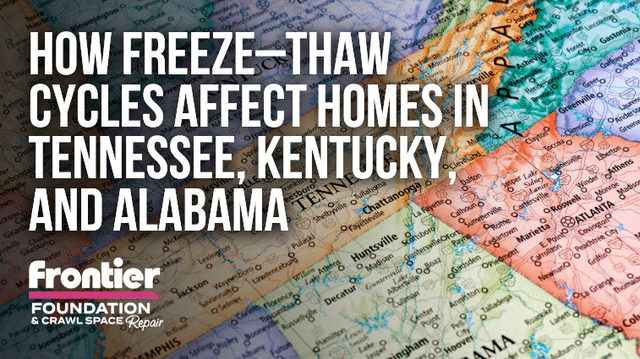
Climate Differences – TN vs KY vs AL
Southwest Kentucky is the coldest of the three states, with more days that dip below freezing and climb back above later. That means more freeze–thaw cycles and a deeper frost line, often around 24–30+ inches.
Central Tennessee has frequent “borderline” winter days: freezing nights and above-freezing afternoons. The frost depth is typically about 12 inches, so foundations are shallower but still exposed to many near-surface cycles.
Northern Alabama is generally milder, with fewer cold days, but occasional strong freezes and winter storms. Its typical frost depth is also around 12 inches, but total yearly freeze–thaw cycles are lower than in Kentucky and middle Tennessee.
What Freeze–Thaw Does to Homes
When moisture and temperature swings combine, they stress both the soil and the structure. Frozen, wet soil expands and can lift or push against foundations, then relaxes and settles unevenly as it thaws.
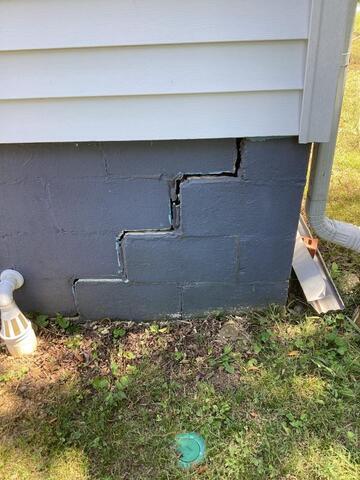
Basements (more common in Kentucky and parts of Tennessee) feel this as lateral pressure on walls. Pressure can lead to horizontal or stair-step cracks, slight bowing, and water leaks through new gaps.
Crawl spaces (very common in Tennessee and Alabama) experience vertical movement of piers and perimeter walls, which shows up as sloping or bouncy floors and interior drywall cracks.
Exterior concrete, like driveways, patios, porches, and steps, slowly flakes and pits when water in pores freezes and expands, especially when de-icing salts and standing meltwater are common.
How Preparation Should Differ by State
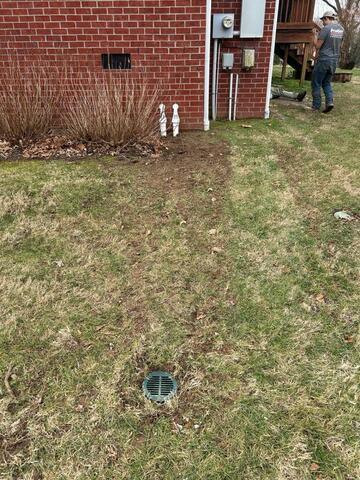
In Southwest Kentucky, homeowners should act as if they’re in a colder, higher-risk zone. Priority: drainage and basement protection. Keep gutters clear, push downspouts several feet away, and avoid any ponding against basement walls.
Seal slab and foundation cracks before winter and pay close attention to basement cracks or bowing, since deeper frost and more cycles can quickly worsen marginal problems.
The IceGuard and LawnScape Outlet ensure water flows downhill, away from the crawl space or basement.
In Central Tennessee, the focus is on managing frequent shallow freeze–thaw cycles and water. Grade slopes away from the house, fill and seal small cracks in fall, and don’t let roof run off dump at the foundation or onto concrete slabs.
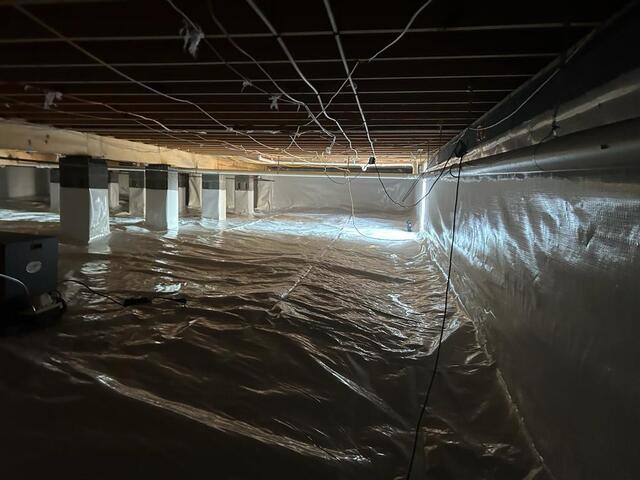
Upgrade crawl spaces with vapor barriers, air‑sealing, and humidity control so soil and framing are drier when temperatures swing around freezing. For basements, combine crack repair with appropriate drainage if you see recurring dampness.
In Northern Alabama, fewer freezes shift the emphasis to moisture control and comfort. Encapsulate and air‑seal crawl spaces, especially around rim joists and walls, and use dehumidifiers to keep the area dry.
Protect plumbing in crawl spaces and basements during cold snaps with pipe insulation and simple freeze precautions, since one burst line can cause more foundation trouble than the cold itself. Inspect exterior concrete yearly, because even a handful of hard freezes can accelerate damage on already saturated slabs.
What to Ask Before You Choose a Solution
- Where is the water really coming from (roof, grading, plumbing, groundwater)?
- What type of foundation do I have, and what exactly is moving or cracking?
- Are the issues seasonal and stable, or growing over time?
- Does the proposed repair match my climate and frost depth, not just a generic “cold‑climate” fix?
- Does the plan address both structure and moisture, not just one or the other?
Homeowner FAQ
Do I need to worry about freeze–thaw in TN and AL?
Yes. You may have fewer cycles than in the far North, but still enough to damage wet soil, foundations, and concrete over time.
Why is my concrete flaking every winter?
Water is entering the surface, freezing, expanding, and popping off thin layers. Salt and standing meltwater speed this up.
Is crawl‑space encapsulation worth it?
Often yes. Dry, conditioned crawl spaces move less, grow less mold, and suffer less from the freeze–thaw cycles you do get.
A crawl space encapsulation with a dehumidifier.
Summary
Across Tennessee, Kentucky, and Alabama, freeze–thaw cycles may look different, but they share one cause: moisture combined with temperature swings leads to gradual damage. Kentucky sees deeper frost, Tennessee has frequent shallow cycles, and Alabama has sharp freezes with moisture concerns.
If you’re noticing cracks, sloping floors, musty crawl spaces, or water in your basement, Frontier Foundation and Crawl Space Repair can help. With hands-on experience in local soils and weather, we provide custom solutions for your home.
Schedule an inspection today to protect your home and gain peace of mind.
Cite This Page
Suggested citation:
Frontier Foundation and Crawl Space Repair. “Crawl Space Insulation vs. Encapsulation: Which Keeps Heat In Better?” Last updated February 2026.