4.9
4.9 How Do You Test a Sump Pump in Your Crawl Space or Basement?
TLDR
You can test your sump pump in just a few minutes using a simple bucket test. Pour a bucket of water into the sump basin and watch for the float switch to rise and activate the pump. The pump should turn on, remove the water, and shut off automatically once the basin empties.
Homeowners should test their sump pump every 3 to 4 months, especially before heavy rain seasons, to ensure the system is ready to protect their crawl space or basement.
If the pump does not start, does not remove the water, or fails to shut off, it may need professional service. Frontier Foundation & Crawl Space Repair offers free inspections across Central Tennessee, Southwest Kentucky, and Northern Alabama to help homeowners keep their waterproofing systems working properly.
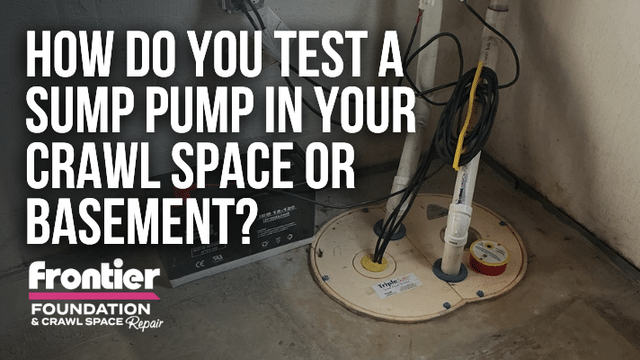
Your sump pump is one of the most important parts of your crawl space encapsulation or basement waterproofing system. It collects groundwater and pumps it safely away from your home before it can cause moisture problems or structural damage.
Like any mechanical system, a sump pump should be tested periodically to make sure it is working properly. Homeowners can easily test their sump pump with a simple bucket of water to confirm the float switch activates the pump and removes water from the basin.
Testing your sump pump only takes a few minutes and helps ensure your waterproofing system is ready before the next heavy rain. Regular checks can give homeowners peace of mind that their crawl space or basement remains protected.
Sump Pump Basics
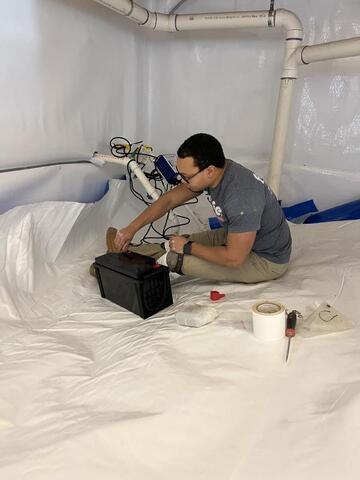
A sump pump sits inside a basin in your crawl space or basement. Most waterproofing systems include a drainage system that directs groundwater into this basin. When water collects in the basin, a float switch rises with the water level. Once the float reaches a certain point, it triggers the pump to turn on and remove the water.
At Frontier, we often recommend the TripleSafe™ Sump Pump System because it provides multiple layers of protection.
The TripleSafe is a submersible multi-pump system that includes:
- A primary pump that handles normal water flow.
- A secondary pump that activates if the first pump cannot keep up with heavy water.
- A battery backup pump that continues protecting your home if the power goes out.
Once the water is pumped out of the basin, it travels through a discharge pipe that carries it away from your foundation. This pipe usually extends outside to a LawnScape outlet in the yard.
When everything works together properly, water is collected, pumped out, and discharged safely away from your home.
How Often Should You Test?
Homeowners should test their sump pump every 3 to 4 months, especially before the rainy seasons in spring and fall.
Routine testing helps ensure that the pump is ready when the next storm arrives.
During Frontier’s routine maintenance visits every nine months, our service technicians also inspect and test the sump pump to make sure the entire waterproofing system is functioning correctly.
If you have not had your system checked recently, scheduling an inspection can help ensure your home stays protected.
Safety Prep Before You Start
Before testing your sump pump, take a moment to check a few safety items.
First, make sure there is no standing water near the electrical outlet that powers the pump. Electrical components should always remain dry.
Next, remove the pit cover and look inside the basin. Make sure nothing is blocking the float switch, such as debris or loose wires. The float must be able to rise freely to activate the pump.
Once everything looks clear, you are ready to perform a quick test.
Step‑by‑Step Bucket Test
Testing your sump pump only takes a few minutes using a bucket of water.
- Step 1: Confirm power is on (outlet and breaker).
- Step 2: Remove the pit cover and locate the float.
- Step 3: Slowly pour a bucket or two of water into the pit.
- Step 4: Watch the float rise and make sure the pump turns on.
- Step 5: Listen for smooth operation (no grinding or rattling).
- Step 6: Confirm the pump removes the water and then shuts off by itself.
- Step 7: Replace the cover and tidy cords.
If the pump activates, removes the water, and shuts off properly, your system is doing exactly what it was designed to do.
Check the Discharge Outside
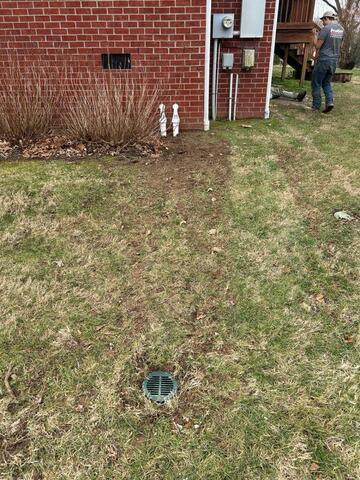
Your sump pump does not just move water out of the basin. It must also move that water safely away from your home.
Frontier often routes sump pump discharge lines through IceGuard® protection and out to a LawnScape outlet in the yard. IceGuard helps prevent frozen discharge lines in winter, while the LawnScape outlet allows water to drain safely away from the foundation.
While performing your test, step outside and check the discharge point. Make sure:
- Water is visibly flowing out of the outlet
- The outlet is not clogged or buried
- Water is not draining back toward the foundation wall
Proper discharge ensures that the water your pump removes does not return to your home.
Warning Signs and Next Steps
If something does not seem right during the test, it may be time to have the system inspected.
Common warning signs include:
- The pump does not start
- The pump runs but does not lower the water level
- The pump never shuts off
- The breaker trips repeatedly
- The pump smells burnt or overheats
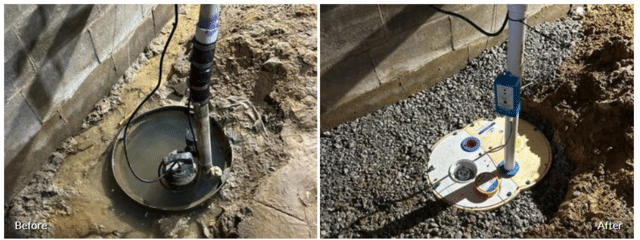
Older sump pumps are also more likely to fail. Many pumps begin showing issues after 7 to 10 years of use.
If you notice any of these problems, stop testing and call a professional to inspect the system before the next storm.
Conclusion
Testing your sump pump takes only a few minutes, but it can make a big difference in protecting your home from water damage.
Set a recurring reminder on your calendar every few months to perform a quick bucket test. Regular checks help ensure your waterproofing system is ready when heavy rain arrives.
If you would like help inspecting your sump pump or maintaining your waterproofing system, Frontier Foundation & Crawl Space Repair offers free inspections for homeowners across Central Tennessee, Southwest Kentucky, and Northern Alabama.
Schedule your inspection today and make sure your home is ready for the next storm.
FAQ
How often should you test a sump pump?
Homeowners should test their sump pump every 3 to 4 months and before major rainy seasons to ensure it activates and removes water properly.
How long do sump pumps last?
Most sump pumps last between 7 and 10 years, depending on usage and maintenance.
What happens if a sump pump fails?
If a sump pump fails, water can collect in a crawl space or basement and potentially lead to moisture damage, mold growth, or structural problems.
Can you test a sump pump without rain?
Yes. A bucket of water poured into the sump basin will simulate rising water levels and activate the pump.