4.9
4.9 Top 5 Drainage Fixes Every Homeowner Should Make Before April Showers
TLDR
Tennessee, Alabama, and Kentucky receive an average of over 4 inches of rainfall during April showers. Without proper drainage, water can collect around your foundation and create problems that affect your home throughout the year.
- Check your gutters to prevent overflow near the foundation.
- Extend downspouts at least 8 feet away from the home.
- Slope the ground away from the foundation to prevent pooling water.
- Install interior drainage to capture water before it spreads through the home.
- Encapsulate your crawl space to control moisture and humidity year-round.
Updated: March 2026
April showers are a familiar part of spring across Tennessee, Alabama, and Kentucky. On average, the region receives more than four inches of rainfall in April alone. While the rain helps green up lawns and gardens, it can also create serious problems around your home if water is not properly directed away from the foundation.
Without proper drainage, rainwater can collect around your home, increasing pressure on the foundation and eventually seeping inside. Over time, this can lead to moisture problems in crawl spaces and basements, foundation movement, mold growth, and damage to belongings.
Preparing your home before spring storms arrive can help prevent these issues. Here are five drainage fixes homeowners should consider before the rainy season begins.
1. Check Your Gutters
Your gutters are the first line of defense for managing rainwater. Their job is to collect water from your roof and carry it safely away from your home.
When gutters become clogged with leaves, sticks, and debris, water cannot flow properly through the system. Instead, it spills over the edge of the gutter and lands directly next to the foundation.
When water repeatedly collects in this area, it increases hydrostatic pressure, which is the force created by water pressing against your foundation walls. This pressure can push water through small cracks, joints, or porous materials like concrete block.
Cleaning your gutters before spring storms arrive ensures water can move freely through the system and away from your home.
2. Extend Downspouts
Even if your gutters are clean, water can still cause problems if your downspouts are too short.
Many homes discharge water only one or two feet from the foundation, which means the water quickly seeps into the soil surrounding the home. During heavy rain, the soil becomes saturated, increasing pressure on the foundation.
Frontier recommends extending downspouts at least eight feet away from the home on a slight downward slope. This distance allows rainwater to drain away from the structure instead of soaking the soil next to it.
Downspout extensions are a simple and inexpensive upgrade that can make a significant difference in protecting your foundation.
3. Slope the Ground Away from the Foundation
The soil surrounding your home should always slope away from the foundation. This grading ensures that rainwater naturally flows away from the structure rather than collecting around it.
This step is particularly important in Tennessee, Alabama, and Kentucky, where soil often contains high levels of clay. Clay-heavy soil absorbs water slowly and holds moisture for long periods of time. During storms, the ground can become saturated quickly, leaving excess water with nowhere to go.
When the ground slopes toward the house, water will pool near the foundation. Over time, this increases hydrostatic pressure and raises the risk of water entering your basement or crawl space.
Regrading the soil so it slopes away from the home helps move rainwater away before it has the chance to cause damage.
4. Install Interior Drainage
In some situations, exterior grading alone cannot control water around the home.
Homes located on hillsides, slopes, or areas with poor drainage may continue to experience water intrusion even when exterior drainage improvements are made. In these cases, interior drainage systems can help manage water once it reaches the foundation.
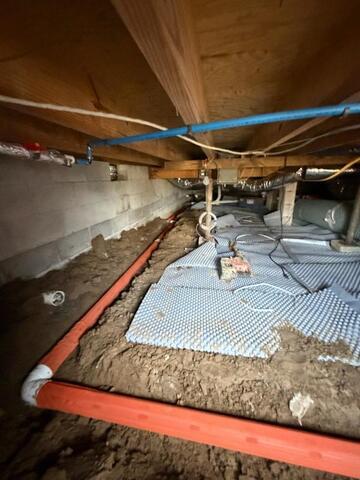
Interior drainage systems are designed to capture water before it spreads into living spaces. They direct the water to a sump pump, which safely discharges it away from the home.
This approach helps prevent water from pooling in crawl spaces or basements, protecting the home from moisture damage, mold growth, and structural concerns.
5. Encapsulate Your Crawl Space

If your home has a crawl space, encapsulation is one of the most effective ways to manage moisture and water intrusion.
Crawl space encapsulation involves sealing the space with a durable liner that covers the ground, walls, and piers. This barrier prevents moisture from entering the space through the soil or foundation walls.
A complete encapsulation system typically includes:
- A vapor barrier liner
- Drainage matting
- A sump pump to remove collected water
- A dehumidifier to control humidity
Together, these components create a controlled environment beneath the home. By reducing moisture and humidity, encapsulation protects floor joists, insulation, and indoor air quality while helping prevent mold growth.
Preparing Your Home for Spring Rain
Spring storms are a normal part of life across Tennessee, Alabama, and Kentucky. While you cannot control how much rain falls, you can control how your home handles that water.
Simple drainage improvements like clean gutters, extended downspouts, and proper grading can go a long way toward protecting your foundation. For homes with ongoing water issues, solutions such as interior drainage and crawl space encapsulation provide long-term protection.
The team at Frontier can help homeowners understand what is happening around their foundation and recommend solutions designed to keep water away from the home.
Contact Frontier today to schedule your free inspection and learn how to protect your home from spring drainage problems.
Frequently Asked Questions About Drainage and Spring Rain
How much rain does Tennessee, Alabama, and Kentucky receive in April?
Most areas in this region receive more than 4 inches of rainfall during April, making it one of the wetter months of the year. Multiple storms throughout the month can quickly saturate the soil around homes.
Why is water around my foundation a problem?
When soil becomes saturated, it creates hydrostatic pressure, which is the force of water pushing against the foundation. This pressure can force water through cracks, block walls, or other weak points.
How far should downspouts extend from the house?
Downspouts should discharge water at least 8 feet away from the foundation and ideally on a downward slope so water continues to flow away from the home.
Why does clay soil make drainage worse?
Clay-heavy soil, which is common across Tennessee, Alabama, and Kentucky, absorbs water slowly and holds moisture longer than sandy soil. This means water often collects around foundations during heavy rain.
What are the signs of drainage problems around a home?
Common warning signs include:
- Water pooling near the foundation
- Overflowing gutters
- Damp crawl spaces or basements
- Musty odors indoors
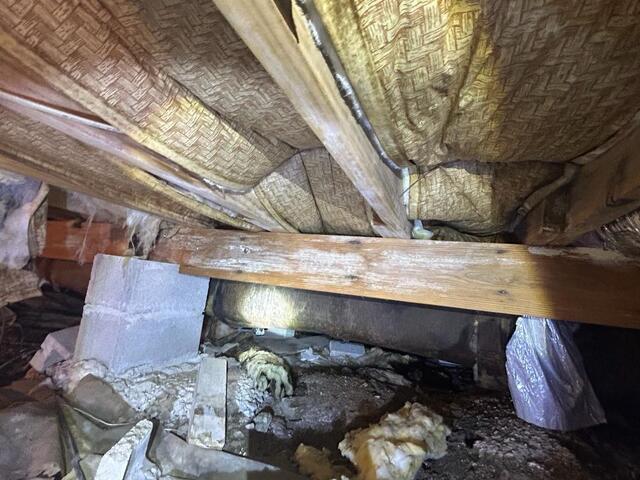
- Mold growth in crawl spaces
- Cracks forming in foundation walls
What is the best long-term solution for crawl space moisture?
For homes with crawl spaces, encapsulation combined with drainage and a sump pump is often the most effective way to control water and humidity year-round.
Cite this Page
Frontier Foundation and Crawl Space Repair. “Top 5 Drainage Fixes Every Homeowner Should Make Before April Showers.” Last updated March 2026.