4.9
Can Driveway Runoff Send Water Into Your Basement?
TLDR
Driveway runoff can contribute to basement leaks when it collects against the foundation and saturates the surrounding soil. The right repair depends on the driveway’s slope, where water gathers, and how it enters the basement. Redirecting runoff may help, while some homes also need interior waterproofing to manage water reaching the basement.
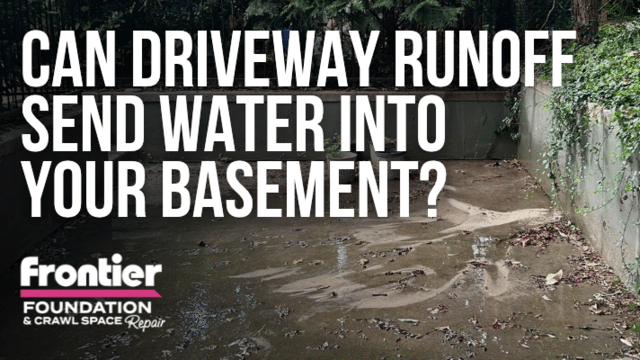
If your driveway slopes toward your house, rainwater can collect against the foundation instead of draining away. As that water soaks into the ground, it can contribute to basement leaks through cracks, porous foundation materials, or the joint where the basement wall meets the floor.
But seeing a puddle beside the house does not tell you the full story. The driveway may be contributing to the leak, while water moving through the surrounding soil adds to the problem. Understanding where the water goes helps determine which repairs your home needs.
How Driveway Runoff Reaches Your Basement
A driveway sheds rainwater across its surface. When it slopes away from the home and has somewhere to drain, that water moves away from the foundation. When concrete slopes toward the house, runoff can collect along the foundation or enter an open joint between the driveway and the wall.
Water collecting there soaks into the soil beside the basement. As the ground becomes saturated, water pressure against the foundation increases, pushing water through available openings.
An obvious gap between the driveway and house deserves attention, but sealing it alone may not resolve a basement leak. Water can still reach the foundation through nearby soil, including areas beyond the driveway.
A Nashville Driveway With Nowhere for Water to Go
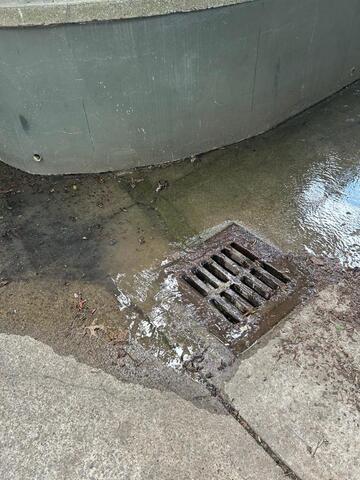
Felicia contacted Frontier because water flowing down her sloped driveway was pooling in the carport against the foundation and seeping into her basement. The home already had a drain, but our inspection revealed why it was not collecting the water: it sat above the driveway’s lowest point.
Water gathered below the drain with nowhere to go, leaving it sitting against the house. Retaining walls along the driveway and a wall near the bottom further limited drainage.
Our crew installed more than 100 feet of XL TrenchDrain to intercept runoff and collect water entering the carport. The system directed the water to a TripleSafe sump pump, which moved it downhill and away from the home through a discharge line with IceGuard and a LawnScape outlet.
See photos of the TrenchDrain installation at Felicia’s Nashville home.
For Felicia’s home, the drain’s location was a key part of the problem. Water needed to be collected where it actually gathered, before it could continue soaking into the ground against the foundation.
What Should You Look for During Rain?
Watching how water moves during a storm can help you understand what is happening. From a safe location, look for runoff flowing toward the house or puddles collecting against the foundation. If you have a driveway drain, notice whether water reaches it or gathers somewhere else.
Inside, note where the basement first gets wet and whether it happens during the rain or several hours later. Photos of the runoff and the first signs of water indoors can help a specialist evaluate the problem.
These observations are useful clues. Confirming the source also requires checking the driveway’s slope, surrounding drainage, and the basement’s water-entry points. A leak near the driveway does not necessarily mean the driveway is its only cause.
Why Would It Start Leaking After Years Without a Problem?
A driveway and the ground beneath it can change over time. Settling may leave a section of concrete pitched toward the foundation. Joints can open, and changes elsewhere on the property can send more runoff toward an area that previously drained well.
An existing drain can also become obstructed, allowing water to collect where it used to drain away.
If your basement has stayed dry for years, a new leak can be puzzling. The inspection should help explain what changed and how water is reaching the basement now. That means looking at conditions outside as well as the places where water appears indoors.
Choosing the Right Repair
Freddy S. of Frontier emphasizes that the property’s layout matters:
“But it all depends how that house was built and how the driveway was built.”
If settled concrete is directing water toward the foundation, lifting the affected section may help restore drainage away from the home. Whether that is practical depends on the driveway’s condition, its original layout, and where the redirected water can go.
A trench drain may be appropriate where runoff needs to be intercepted and carried away, as it did at Felicia’s home. Sealing the joint between the driveway and the house can also help reduce surface water entering that gap.
Each repair needs to address the conditions at the home. Lifting concrete will only help if the corrected slope gives water somewhere to drain. Sealing a joint can reduce water entering there, but it will not manage water reaching the foundation from other areas.
When does the basement need waterproofing?
Exterior drainage improvements can reduce the amount of water collecting beside the home. If water is entering the basement, the inspection should also determine whether an interior drainage system is needed.
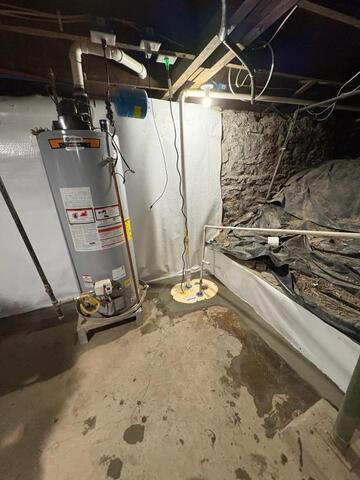
Freddy discusses systems such as WaterGuard and DryTrak for collecting water inside the basement and directing it toward a sump pump for removal. The appropriate system depends on the basement’s construction and the conditions found during the inspection.
Some homes need exterior drainage improvements alongside basement waterproofing. Addressing runoff reduces water collecting near the foundation, while an interior system manages water that reaches the basement.
Have the Driveway and Basement Evaluated Together
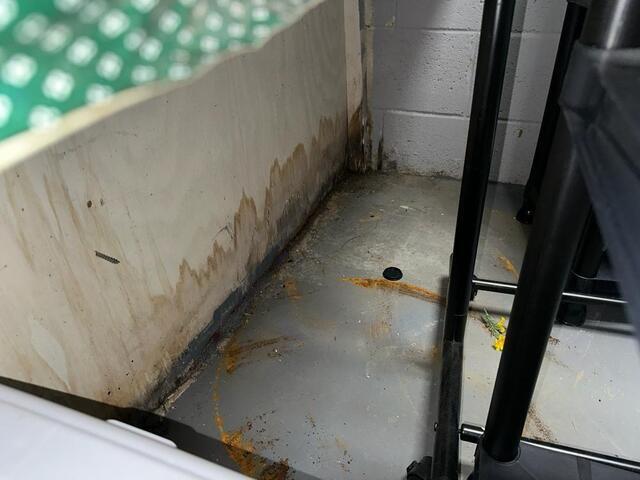
If your basement leaks near the driveway, point out both the indoor water and any runoff you have observed outside. That gives your specialist a better starting point than looking at either area alone.
At Felicia’s home, the solution started with identifying where water actually collected. Your home may need a different approach, but the inspection should answer the same question: how is water getting from outside into your basement?
Frontier Foundation & Crawl Space Repair can inspect the drainage conditions around your home and recommend repairs based on what we find. Schedule a free inspection to find out what is causing the leak and how to address it.
Frequently Asked Questions
Can driveway runoff cause foundation problems as well as basement leaks?
Prolonged water exposure can affect the soil supporting the driveway and foundation. Depending on the soil conditions, repeated saturation can contribute to movement or settlement. A basement leak alone does not establish structural damage, but nearby settling concrete or changes in foundation cracks should be included in the inspection.
Where does water collected by a driveway drain go?
The drain needs an outlet that carries water to a suitable discharge location away from the home. Some systems drain by gravity; others need a sump pump to move water from a low area. The discharge location matters because water released too close to the house can return toward the foundation.
Does a driveway drain need maintenance?
Yes. Leaves, sediment, and other debris can restrict water entering the drain or moving through the system. Keep accessible grates clear and follow the maintenance recommendations for your installation. If water begins pooling despite a clear grate, the drain line or discharge route may need attention.
Should I wait for another heavy rain before scheduling an inspection?
You can schedule an inspection while conditions are dry. Photos, videos, and notes from previous storms can help explain what happens when it rains. If another storm occurs before the appointment, document where water first collects outside and appears inside, provided you can do so safely.