4.9
Will a Dehumidifier Fix a Basement Leak?
TLDR
A dehumidifier removes moisture from basement air, but it will not stop a leak. Drainage collects incoming groundwater, and a sump pump moves it outside. If your basement has both water intrusion and high humidity, it may need all three.
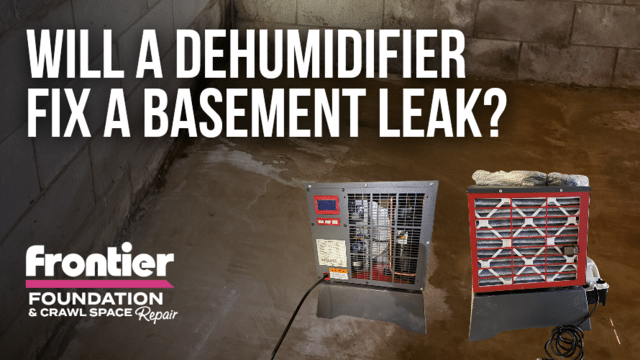
A dehumidifier can reduce dampness and musty odors in your basement, but it will not fix a leak. It removes moisture from the air. Water entering through the foundation requires a solution that addresses where it enters and how it leaves the home.
That is why basement waterproofing often includes drainage, a sump pump, and a dehumidifier. Each handles a different part of the moisture problem.
First, Determine Where the Moisture Is Coming From
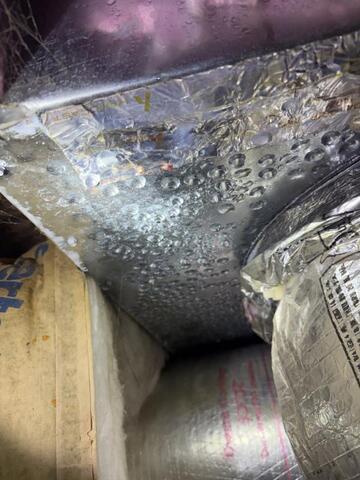
A basement can feel damp without having an active groundwater leak. Humid air can condense on cool surfaces, and moisture can move through porous concrete and masonry. In those conditions, humidity control may be the primary need.
Water collecting along the wall-floor joint, trickling down a wall, or forming puddles after rain points to a water-entry problem. During wet weather, saturated soil can create pressure against the foundation, forcing groundwater through joints and openings.
The pattern helps guide the inspection. Where does water first appear? Does it follow rainfall? Is it coming through the foundation, around a window, or from plumbing? Those answers determine the repair. A dehumidifier's collection tank or humidity reading cannot identify the source on its own.
Drainage Gives Groundwater a Controlled Path
When groundwater is entering a basement, a drainage system collects it and directs it toward a sump basin before it spreads across the floor.
Frontier Basement Foreman Nick T. explains:
“So when it rains outside really bad and that water table rises under the home, now it has somewhere to go and escape into and allow the water to be pumped out instead of it doing whatever it wants to do.”
The drainage system must suit the foundation. Frontier Design Specialist Ben Goodvich evaluates how the footing, walls, and floor were constructed before recommending a system. Depending on those conditions, the appropriate option may be sub-floor drainage such as WaterGuard or an above-floor system such as DryTrak.
The Sump Pump Sends Collected Water Outside
Drainage carries water to the basin. The sump pump then moves it through a discharge line to an appropriate location outside, away from the foundation.
The TripleSafe Sump Pump System uses three pumps to respond to different conditions:
- A primary pump handles routine pumping.
- A secondary pump activates if the primary pump fails or more pumping capacity is needed.
- An UltraSump battery backup pump operates during a power outage.
Those backup functions matter during storms, when heavier water flow and power interruptions can occur together. The pump and drainage layout work as one system: water needs a route into the basin and a reliable way out of the home.
Learn about the TripleSafe Sump Pump System.
The Dehumidifier Controls Moisture Left in the Air
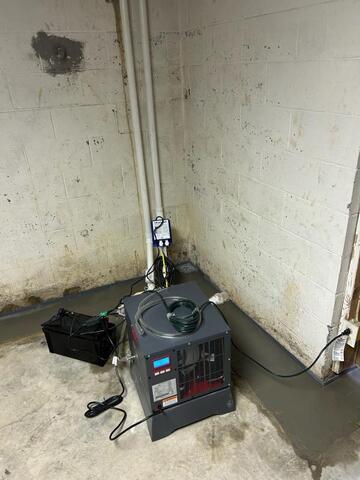
Even after groundwater is managed, a basement may still need humidity control. Outdoor air, moisture passing through building materials, and materials drying after a leak can all add water vapor to the space.
The SaniDry Sedona removes up to 100 pints of moisture from the air per day and automatically maintains the selected humidity setting. It also filters airborne particles, including mold spores. Collected water drains to a sump system or condensate pump, so there is no tray to empty.
Controlling humidity helps reduce the damp conditions associated with musty odors and mold growth. A dry floor alone does not tell you whether the air needs that additional moisture control.
Learn about the SaniDry Sedona.
What Does Your Basement Need?
If excess humidity or condensation is the only issue, a properly sized dehumidifier may be enough. If groundwater is entering, the repair needs to manage that water. A basement experiencing both conditions may need drainage, a sump pump, and dehumidification.
Running a dehumidifier can help a wet floor dry faster as water evaporates. That improvement does not mean the entry point has been repaired. The next rain can bring water back through the same opening.
Frontier Foundation & Crawl Space Repair inspects the foundation, water-entry points, and moisture conditions to determine what the home needs. Schedule a free inspection to get a clear explanation of the problem and a repair plan suited to your basement.
Frequently Asked Questions
Why does my basement still leak when the dehumidifier is running?
A dehumidifier removes water vapor from the air. It does not close openings in the foundation or collect groundwater entering through walls and floor joints. If water returns after rain, the entry point needs to be evaluated even if the basement feels less humid.
Do I need a dehumidifier if I already have a sump pump?
You may. A sump pump removes liquid water collected in its basin, but it does not control humidity. If the basement still feels clammy or develops condensation or musty odors, check the humidity and have any remaining moisture sources evaluated.
Does water in my dehumidifier mean my basement has a leak?
No. The collected water comes from moisture in the air, which can have several sources. Humid outdoor air, moisture moving through masonry, and materials drying out can all contribute. Water in the tank alone does not establish that the foundation is leaking.
Can a dehumidifier drain into my sump pump system?
Yes. The SaniDry Sedona can drain collected water into a sump system or through a condensate pump. This eliminates the need to empty a collection tray. The dehumidifier still handles airborne moisture, while the sump pump discharges the collected water.
Will a dehumidifier remove existing mold?
A dehumidifier helps control the moisture conditions that support mold growth, but it does not remove mold already growing on walls, wood, or belongings. Existing growth needs to be evaluated and addressed along with its moisture source.