4.9
Why Is My Basement Still Wet If It Already Has a Drainage System?
TLDR
If your basement still leaks with a drainage system installed, water may be entering outside the protected area, an older drain may be restricted, or the sump pump may be unable to remove incoming water. An inspection should identify where the process breaks down and explain whether the existing system needs service or more extensive work.
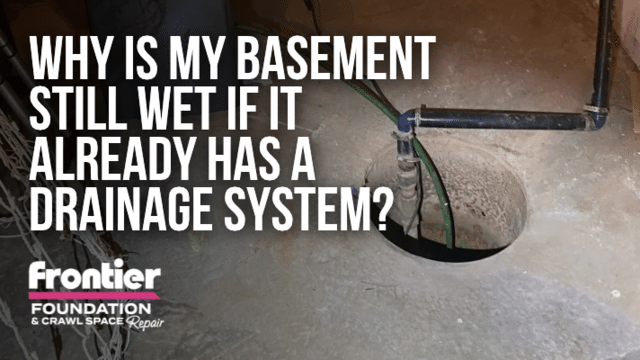
A drainage system should give water a reliable path out of your basement. If you still find puddles after a storm, even while the sump pump runs, something needs a closer look.
The cause may be a failed component or a gap in what the original installation was designed to handle. Before recommending additional work, we need to understand where water enters and why the existing system is not collecting or removing it.
What Does Your Existing System Include?
Homeowners often inherit a waterproofing system when they buy their house. They know there is a pump in the basement or a drain around the foundation, but may have little documentation explaining the installation.
We start by establishing what is there and checking its condition. Kevin B, Frontier’s Resident Sales Pro, says sump pump operation is one of his first checks. He also encounters basements where the pump is the only waterproofing equipment installed.
“We see a lot of systems where it’s just a sump pump, and that does not actually solve their problem without a drainage system,” Kevin explains.
A sump pump removes water from its pit. Without drainage directing water toward that pit, a puddle along the opposite wall may remain there while the pump works normally. In that situation, replacing the pump with a larger one may leave the homeowner with the same wet floor.
A Working Drain Can Still Leave Part of the Basement Unprotected
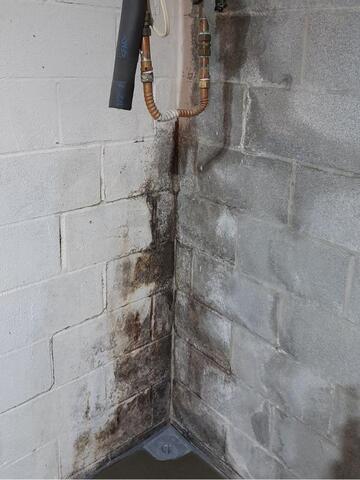
Suppose drainage was installed along a wall that leaked several years ago. That section stays dry, but water now appears along an adjoining wall. The existing drain may be doing its job within the area it serves.
Water entering elsewhere still needs a collection route.
The same concern applies to water seeping through basement walls. If it cannot enter the drainage system, it can reach the floor and spread beyond the protected area. An inspection needs to account for the location of the leak and how the drainage connects to it.
Frontier Basement Foreman Nick T. explains that groundwater can rise beneath a home during heavy rain. Drainage gives that water somewhere to collect so it can reach the sump pump. When the collection route is incomplete, water can continue entering the basement despite an operating pump.
Has the System’s Performance Changed?
A basement that stayed dry for years and recently started leaking calls for a different investigation than one that has leaked since the system was installed.
Frontier Design Specialist Ben G. identifies dirt and silt buildup in footing drains as one potential cause of declining performance. A restricted pipe may no longer carry groundwater away effectively, allowing water to accumulate around the foundation.
The basement can still provide useful evidence after it dries. Ben looks for staining and efflorescence, the white mineral residue left behind as moisture moves through masonry and evaporates. These marks help identify areas with a history of moisture.
If you have noticed a change, tell the inspector when it began. Photos showing where water first appears can also help explain what you have been experiencing.
Why Is the Basement Flooding While the Pump Runs?
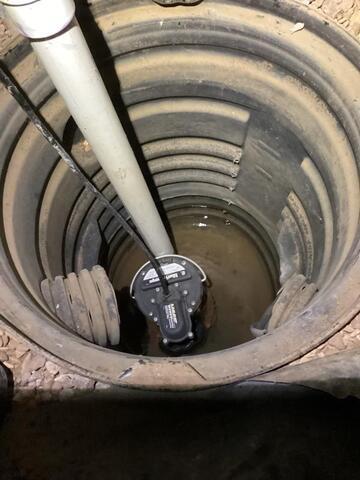
Once water reaches the sump pit, the pump must remove it fast enough to prevent the pit from overflowing. Hearing the motor run does not establish whether it is keeping up.
Kevin explains that incoming water can exceed a pump’s capacity. Mechanical failure can also prevent pumping, while a power outage stops a primary electric pump unless a suitable backup is available.
The discharge line deserves attention too. The pump needs a functioning route to carry water outside the home.
Frontier uses the TripleSafe sump pump system to provide backup protection. A second pump can assist during higher water volume or take over if the primary pump fails. A battery-powered pump provides protection during an outage. Regular maintenance remains important, even with those backups in place.
Look Outside Before Deciding on the Repair
Kevin checks grading and downspout discharge as part of his investigation. A downspout emptying beside the house can concentrate roof water against the foundation. Ground sloping toward the home can add runoff to the same area.
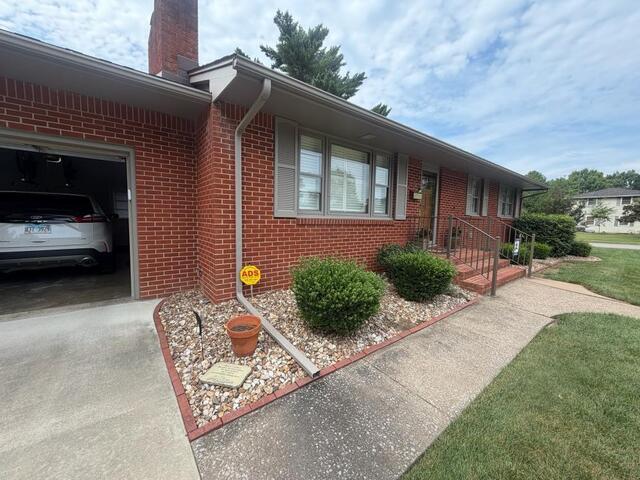
Correcting those conditions may be part of the recommended work. Their significance depends on how they relate to the leak and what the existing drainage can handle.
An exterior French drain also needs to be evaluated according to its installation. A drain collecting runoff in the yard may function properly without addressing groundwater near or beneath the basement. Its presence does not tell us whether it was designed to collect the water causing the indoor problem.
Does Everything Need to Be Replaced?
Continued leaking does not automatically mean the entire system has failed. The recommendation should follow the inspection findings.
Kevin explains that Frontier often recommends replacement when an existing installation lacks the drainage and pumping needed to address the water problem completely. Replacing a pump alone, for example, would leave an unresolved collection problem in a basement with inadequate drainage.
The home’s construction also affects the solution. Ben notes that WaterGuard sub-floor drainage is appropriate for certain foundations. Where cutting into the slab is unsuitable, an above-floor system such as DryTrak may be used instead.
Your inspector should be able to point to the problem and explain how the proposed work addresses it. If replacement is recommended, you should understand why the existing installation cannot provide the protection your basement needs.
Get a Clear Explanation for the Continued Leaking
Whether you installed the drainage yourself or bought a home with it already in place, you should know why water is getting past it.
Frontier Foundation & Crawl Space Repair can inspect your existing system and walk you through the findings. Contact our team to schedule a free basement waterproofing inspection.
Frequently Asked Questions
What should I have ready for a basement drainage inspection?
Gather any installation paperwork, warranty information, and service records you have. Photos taken during a leak are useful, especially if they show where water first appears. Note whether the leaking starts during rainfall or afterward and whether you hear the pump running. You can still schedule an inspection without those records.
Should I contact the company that installed my drainage system?
If you know the installer, contacting them is a reasonable first step. Ask whether an inspection or service visit is covered under your agreement. Before authorizing changes by another contractor, review the warranty terms so you understand how that work could affect your coverage.
How often should a basement drainage system be serviced?
Follow the maintenance schedule provided by the installer and equipment manufacturer. An annual service visit is a common starting point, but recurring leaks or changes in pump operation warrant attention sooner. Ask what the visit includes; checking the pump alone does not establish whether the drainage and discharge line are functioning properly.
Does a damp basement mean the drainage system has failed?
Dampness alone does not establish a drainage failure. Condensation or a plumbing leak can also leave surfaces wet. The location and timing of the moisture help narrow down the cause. Identifying the source before adding equipment helps avoid paying for a solution that does not address the problem.