4.9
4.9 5 Things Outside Your Home That Could Be Warning You About Your Foundation
TLDR
Five things to watch for outside your home: stair-step cracks in brick, changes in an exposed foundation wall, a chimney pulling away, a porch or steps separating, and water collecting beside the foundation. Some point to movement and standing water can contribute to future problems. An inspection can determine what is happening before you repair the visible damage.
You don't have to go into the crawl space to notice a possible foundation problem. Some of the first clues are visible during a walk around the yard. Look closely at the exterior walls, the chimney, and the ground beside the house. A change in any one of these areas may be worth a closer look, especially if it is new or getting worse.
1. Stair-step cracks in exterior brick
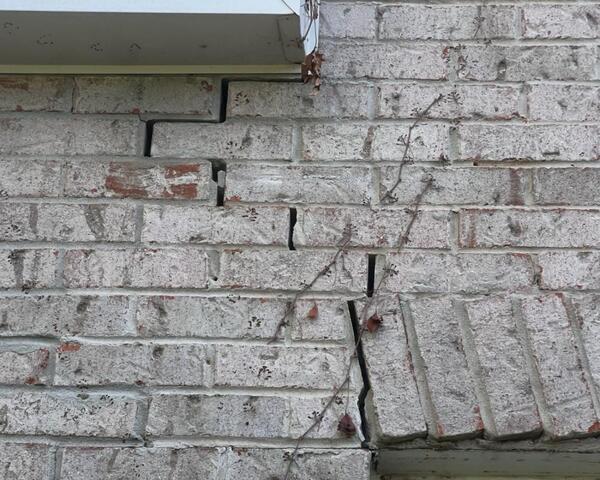
A crack that follows the mortar joints in a stair-step pattern can be a sign that part of the home is settling. Brick does not bend easily, so movement beneath the wall can leave a visible path through the mortar. These cracks often show up near a corner or around a door or window.
Pay attention to whether the crack is growing or one side sits farther out than the other. A crack in the brick alone does not tell you how much the foundation has moved, but it gives an inspector a place to start. Look for other changes nearby, such as a gap around a window or an exterior door that has become difficult to close.
2. Cracks in the visible foundation wall
Walk along the base of your home and check any exposed concrete or block. Small, even cracks can develop as concrete cures. A crack that widens over time, runs horizontally or appears alongside a section of wall that is shifting deserves more attention.
The direction of a crack can help point to what is happening. Uneven settlement may cause one part of a wall to drop, while pressure from wet soil can push a basement or crawl space wall inward. Different foundation wall cracks can have different causes, so patching the visible crack before finding the cause may leave the underlying problem in place.
3. A chimney pulling away from the house
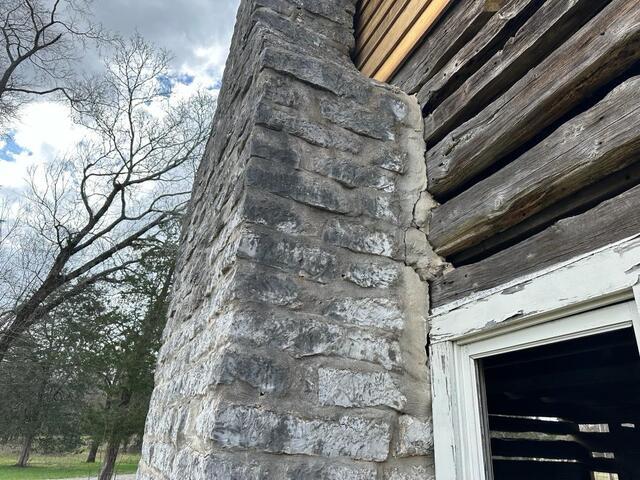
Take a look at the place where the chimney meets the rest of the home. Has a gap opened between them? Does the chimney appear to lean? You may also notice cracking near its base or damage where it meets the roof.
A masonry chimney is heavy and may have its own footing. If the soil beneath it cannot support that weight, the chimney can settle and tilt away from the house. The movement may be limited to the chimney, or it may be one clue to a larger foundation settlement problem. Filling the gap with caulk will not stabilize a moving chimney. Have it evaluated before the separation grows.
4. A porch or front steps separating
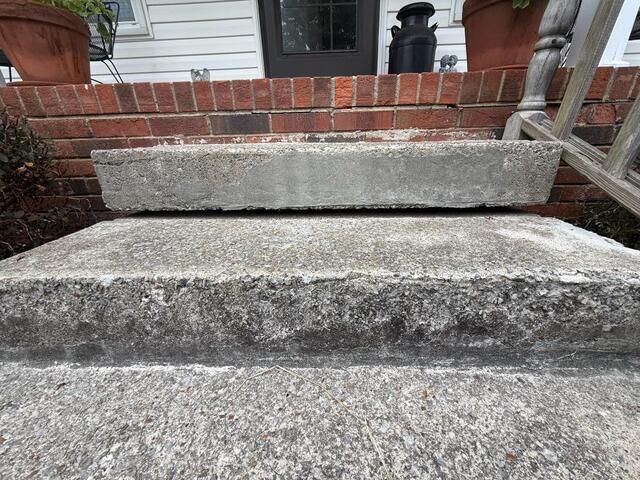
A widening gap where a porch meets the house can catch your eye on the way to the front door. Steps may also sink or pull away from the porch, leaving an uneven landing. These changes tell you that something has moved, though the steps and the home's foundation do not always move together.
Exterior concrete can settle independently and may need concrete repair rather than foundation repair. If the porch is separating from the house, or you also see cracks in the nearby brick, have both areas inspected. In one Clarksville project, Frontier addressed foundation settlement and uneven entryway concrete as separate parts of the repair.
5. Water collecting beside the foundation
Check the yard during or after a heavy rain. If water pours over the gutters, spills from a short downspout or stands against the house, the soil beside the foundation may stay wet longer than it should. Water may also wash soil away from the edge of a walkway or porch.
Standing water does not mean the foundation is already damaged. It does mean water is reaching an area that needs to stay properly drained. Over time, changes in soil moisture can affect the support beneath a foundation or increase pressure against a below-grade wall. Look at where the water is coming from and whether the ground slopes toward the house. Dealing with a drainage problem early can help protect the home before a crack appears.
What should you do if you notice one of these signs?
Take a photo and note the date. If you are tracking a crack or gap, place a ruler beside it in the photo so you can compare it later. Check the same area after the next heavy rain, and make a note of any related changes inside the home, such as a sticking door or an uneven floor.
You cannot diagnose a foundation from one crack or one puddle. An inspection considers where the changes appear, whether they are progressing, and what is happening beneath the home. Frontier Foundation & Crawl Space Repair offers free foundation inspections in Middle Tennessee, Southwestern Kentucky, and Northern Alabama. If you have noticed a new crack, a separating chimney, or movement around your porch, schedule an inspection to find out what is happening and whether a repair is needed.
Frequently Asked Questions
Does a crack in exterior brick always mean foundation trouble?
No. The size and location of the crack, whether it is changing, and any nearby gaps or sticking doors all matter. An inspection can determine whether the brick crack is connected to foundation movement.
If my front steps are sinking, is my home's foundation sinking too?
Not necessarily. Steps and other exterior concrete can settle separately from the home. If the porch is pulling away from the house or the nearby wall is cracking, have the whole area checked.
Is water pooling by the house a foundation problem?
Pooling water is a drainage concern, not proof of foundation damage. Water that repeatedly collects beside the home can change the soil conditions around the foundation, so it is worth addressing even if you have not seen a crack.
When should I schedule an inspection?
Schedule an inspection if a crack or gap is growing, a chimney is leaning, an exposed foundation wall appears to be moving, or several signs appear in the same area. A professional can check the cause and explain whether the home needs repair.