4.9
4.9 Is "Normal Settling" Really Normal? Signs of Foundation Movement
TLDR
“Normal settling” is often used to explain cracks or sticking doors, but it does not identify what caused the home to move. Changes in soil moisture, poor drainage and weak soil can all affect the foundation. Some cracks are cosmetic, while others are early signs of settlement. A foundation inspection can determine whether the home is moving and whether repairs are needed.
Cracks in a home are often dismissed as “normal settling.” It’s an easy explanation, especially when the crack is small or the home is several years old. Unfortunately, that phrase does not explain what caused the crack or whether the home is still moving.
Homes can settle when the soil beneath the foundation shifts or can no longer support the weight above it. The signs may begin with a thin crack in the drywall or a door that rubs against its frame. These changes deserve attention, even when they do not look severe.
“There’s no such thing as typical settlement,” said Dustin Gebers, Vice President at Frontier Foundation & Crawl Space Repair. “A house shouldn’t move. If you’re seeing any type of cracking inside your house or out, then that means that something has moved.”
Some cracks are only cosmetic. Having the area inspected is the best way to determine what is happening before repairing the surface and moving on.
Why homes settle
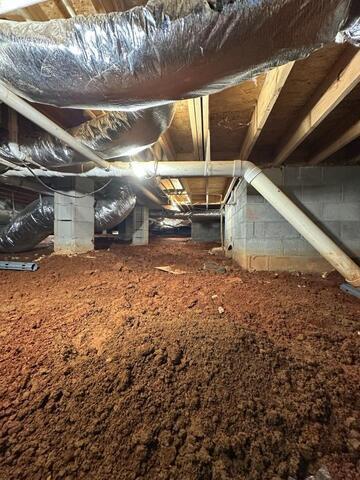
A foundation depends on the soil beneath it for support. When that soil changes, the home above can change with it.
Clay soil is common throughout Tennessee, Kentucky, and Alabama. It expands as it absorbs water and shrinks when it dries. During long stretches of dry weather, the soil can pull away from the foundation and leave open space beneath it. The home's weight may then cause that area to sink.
“When the soil moves underneath the home, the home’s going to move, too,” Dustin said.
Water can also weaken the soil supporting a foundation. Poor drainage may allow water to collect beside the home, where it can soften the soil or wash it away. Settlement may also develop when soil was moved during construction and not compacted enough before the foundation was built.
Homeowners sometimes assume this only happens to older houses. Chris Hull, a Design Specialist at Frontier, has inspected 100-year-old homes that recently developed cracks. He has also found settlement in homes built within the last few years.
“I’ve done old houses that are 100 years old,” Chris said. “I’ve done houses built within the last couple years that also had foundation settlement.”
The age of the home does not tell you whether a crack is harmless. Soil conditions and water around the foundation provide much more useful information.
Signs that a home has moved
Foundation settlement often becomes visible near doors and windows. A crack may form at the corner of the opening, or the door may begin sticking because the frame has shifted out of square. Similar cracks can appear above a garage door.
On the outside of the home, look for stair-step cracks running through brick or mortar. Gaps may also develop around windows or between exterior finishes. Inside, floors may begin to slope toward the area that has settled.
Brittney Gebers, Strategic Partnership Manager at Frontier, encourages homeowners to pay attention when parts of the home stop lining up as they once did.
“Doors and windows might be sticking, hard to open,” Brittney said. “Things like that are signs that you might want to have your foundation checked, that there could be some movement, things aren’t in line anymore.”
Basement and block foundation walls can show other signs of movement. A horizontal crack may form where pressure from the soil is pushing against the wall. Stair-step cracks can develop as the wall moves farther. In more advanced cases, the wall may begin to bow inward.
A crack that grows, reopens after being patched or allows water into the home should be inspected. Several symptoms appearing in the same area can provide an even clearer picture of where movement is occurring.
Can a small crack be monitored?
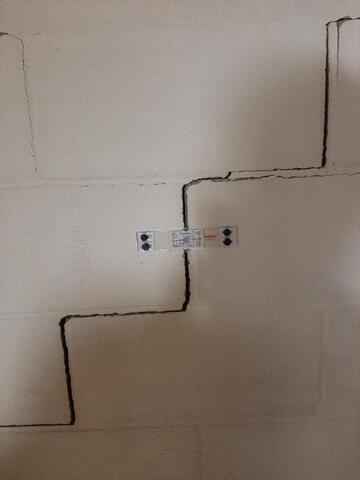
Crack width is helpful information, although it cannot provide a diagnosis on its own. The location and direction of the crack also matter. A specialist will look at how it relates to the rest of the home and check for other signs nearby.
When it is unclear whether a crack is moving, it may be monitored for a period of time. Photos should be taken from the same position with the date recorded. Including a ruler in the photo makes changes easier to compare.
Frontier Service Technician Zack Weatherford documents the crack and takes measurements when he finds a possible sign of settlement during a service visit.
“I’ve taken a bunch of pictures. I’ve taken measurements. I’ve got that all documented,” Zack said. “It’s best to just kind of keep an eye on it for now.”
A crack monitor offers another way to track changes. The small device is installed across the center of the crack. If one side moves, the markings on the monitor create a measurable record.
Monitoring makes the most sense when measurements have not confirmed foundation settlement. If the crack is spreading or the home has several related symptoms, it is time for a full foundation inspection.
Why foundation settlement can get worse
One of the most common questions homeowners ask is how quickly a foundation problem will progress. There is no reliable timeline. A crack may remain unchanged for months and then grow after drought conditions or a period of heavy rain.
“These issues, they’re not going to go away by themselves,” Chris said. “They’re only going to get worse, and they’re only going to get more expensive to fix.”
A house is built as one connected structure. When one section begins to sink, it pulls on the materials attached to it. The first crack may eventually be joined by sticking doors or separation farther along the wall.
“When one section starts to move, it’s pulling on the rest of it,” Dustin said. “So if one side’s settling, it’s pulling on the rest of it, and it’s going to continue to break down the line.”
Waiting can increase the area that needs to be repaired. An early inspection gives the homeowner a better understanding of the problem and the cost of addressing it. They can then decide how to move forward with real information.
What happens during a foundation inspection?
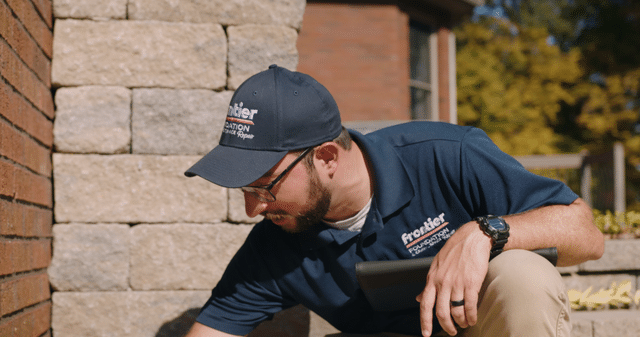
A foundation inspection begins with the homeowner’s concerns. The specialist will ask when the crack appeared and whether it has changed. They will also ask about sticking doors or other changes noticed around the home.
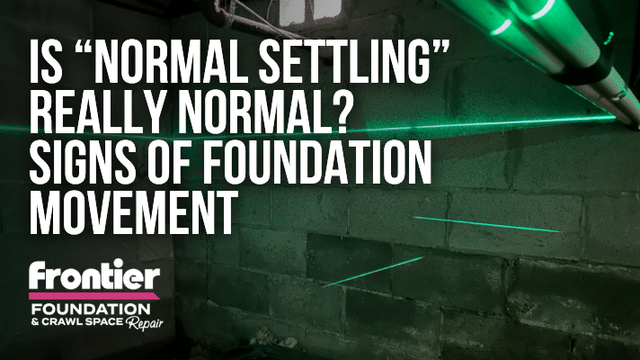
The specialist completes a visual inspection inside and outside before taking measurements with a laser. These measurements show where the floor or foundation is out of level. If the home has a crawl space, the inspection continues beneath the home to look at the support system and foundation walls. In a basement, the specialist will inspect cracks and check the walls for inward movement.
“We take a lot of measurements, set up lasers, [and] see the levelness or unlevelness of the floors,” Chris said.
Water management is part of the evaluation as well. Clogged gutters or short downspouts can release water too close to the foundation. The slope of the yard may also direct rain toward the home, where it collects beside the structure.
The inspection findings help determine whether the crack is cosmetic or connected to foundation movement. If repairs are needed, the solution depends on which part of the home has moved.
Foundation piers can stabilize a settling foundation by transferring its weight to stronger soil below. Wall anchors or braces may be used when a basement wall is bowing inward. Homes with sagging floors may need additional support installed in the crawl space.
“Every house is built differently, and every problem is a little different,” Dustin said.
Do not let “normal settling” answer the question
A crack does not have to be large to make a homeowner wonder what is happening. Calling it normal settling may quiet that concern for a while, but the cause remains unknown.
If the crack is cosmetic, an inspection can provide reassurance before it is patched. If the home has moved, finding the problem early can limit the damage and give the homeowner more time to plan for the repair.
Frontier Foundation & Crawl Space Repair offers free foundation inspections throughout Middle Tennessee, Southwestern Kentucky, and Northern Alabama. If you have noticed cracks or changes in the way your doors and windows operate, schedule an inspection to find out what is happening beneath your home.
Frequently Asked Questions
Which foundation cracks should I be concerned about?
Stair-step cracks in brick or block can indicate settlement. Horizontal cracks may develop when pressure from the soil causes a foundation wall to move inward. Cracks that continue to grow, allow water inside or return after being repaired should also be inspected.
Why are my doors and windows sticking?
Humidity can cause doors and frames to swell temporarily. Foundation movement can also pull an opening out of square, making a door or window difficult to operate. If the sticking continues or appears near cracks, have the area checked.
Can I monitor a foundation crack myself?
You can take dated photos with a ruler in the frame and compare them over time. A crack monitor can provide a more precise record. Monitoring works best when an inspection has not found clear settlement. Active movement or several related symptoms call for a professional evaluation.
How quickly will foundation settlement get worse?
There is no set timeline. Movement may remain slow for a period and then change after dry weather or heavy rain. Once signs of settlement appear, having the home inspected can help you understand the condition before more of the structure is affected.
What happens if my home needs foundation repair?
The repair depends on the part of the home that has moved. Foundation piers may be used beneath a settling foundation. Bowing walls may need anchors or braces, while sagging floors can require additional crawl space support. The inspection findings guide the recommendation.