4.9
4.9 SmartJacks vs. Helical Piers vs. Push Piers: Which Foundation Repair Does Your Home Need?
TLDR
SmartJacks are adjustable steel supports used inside crawl spaces to stabilize sagging beams and floor joists. Helical piers and push piers extend beneath a settling foundation to transfer the home’s weight to stronger soil or bedrock. GeoLock anchors and EverBrace are used for foundation walls that are bowing, cracking, or failing. A professional inspection is needed because the appropriate system depends on the location of the damage, the home's weight and construction, soil conditions, access, and the severity of the movement.
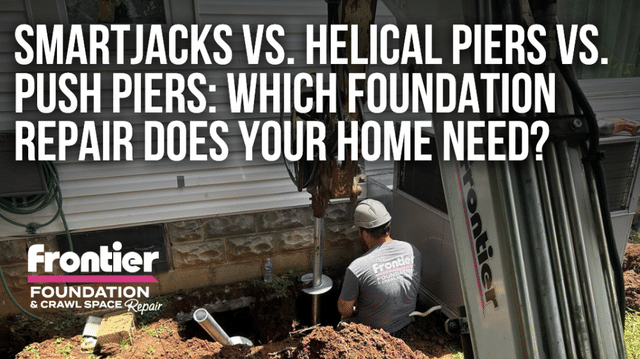
When floors begin to sag, cracks appear in brick or a basement wall starts to bow, it is natural to wonder what kind of foundation repair your home needs. You may hear terms such as SmartJacks, helical piers, push piers, GeoLock and EverBrace, but these systems do not all fix the same problem.
The simplest way to understand the difference is to look at which part of the home is moving:
-
SmartJacks support sagging floors and beams above a crawl space.
-
Helical piers and push piers stabilize a settling foundation from below.
-
GeoLock and EverBrace stabilize damaged foundation walls.
Choosing the right repair begins with identifying the cause and location of the movement. Here is how each system works and when a foundation specialist may recommend it.
“There needs to be a lot of different options. There’s no one-size-fits-all for every homeowner and every problem. … Every house is built differently, and every problem is a little different.”
— Dustin Gebers, VP of Frontier Foundation & Crawl Space Repair
What Are SmartJacks?
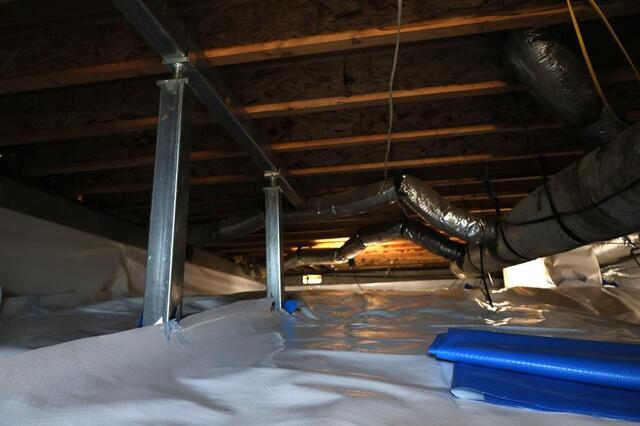
The SmartJack Crawl Space Support System is designed to address structural problems beneath a home's floor. It is commonly used when floor joists or beams have weakened, settled, or do not have enough support.
Signs that the floor system may need additional support include:
-
Sagging or uneven floors
-
Floors that feel soft or bouncy
-
Gaps between interior walls and the floor
-
Cracks in drywall above a crawl space
-
Doors that stick or no longer close properly
During installation, galvanized steel support posts are placed on engineered bases in the crawl space. Steel beams may also be added to distribute the load across the floor joists. The posts are adjusted to stabilize the floor and, when conditions allow, may help move it toward a more level position.
Unlike temporary wooden posts or stacked concrete blocks, SmartJacks are designed to provide lasting support and can be adjusted later if needed. They can also be installed as part of a larger crawl space repair that addresses damaged wood, moisture, or drainage problems.
What Are Helical Piers?
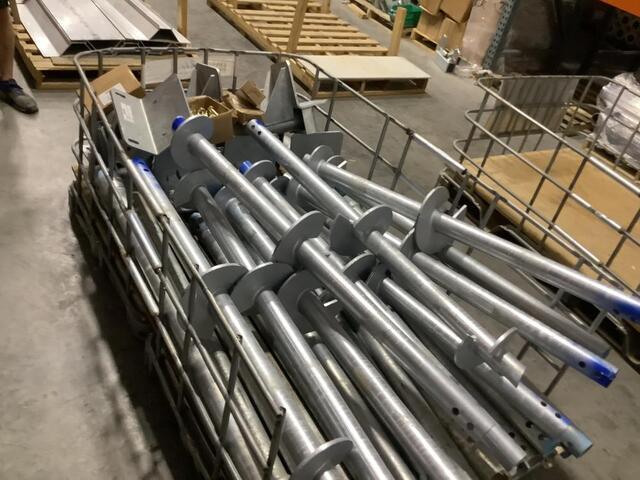
Helical piers are steel foundation supports with round plates welded to the shaft. These plates look similar to the threads of a large screw. During installation, the pier is mechanically advanced into the ground until it reaches soil strong enough to support the structure.
A steel bracket connects the pier to the foundation. This transfers the weight of the affected part of the home away from weak or shifting soil and onto the pier.
Helical piers are versatile and are often used for lighter structures or places where the installation force needs to be carefully measured. Depending on the home and the damage, they may be used to stabilize:
-
Settling sections of a foundation
-
Chimneys
-
Porches and steps
-
Decks and other lighter structures
-
Some new-construction foundations
In some cases, helical piers can also help lift a settled section closer to its original position. The main goal, however, is to stabilize the structure and prevent additional settlement.
What Are Push Piers?
Push piers are steel supports installed beside a settling foundation. A bracket connects each pier to the home’s foundation. Using hydraulic equipment and the weight of the home for resistance, the pier is pushed through weak soil until it reaches stronger, more stable soil or bedrock. The pier then helps support the foundation and prevent further settlement.
Push piers are commonly used for heavier existing structures and can reach significant depths. They are also useful when the exact depth of stable soil is unknown. When conditions allow, the system may provide an opportunity to lift the settled portion of the foundation. After stabilization and any appropriate lift are completed, the excavated areas are backfilled.
Signs that foundation piers may be needed
Helical or push piers may be considered when an inspection connects visible damage to downward foundation settlement. Warning signs may include:
-
Stair-step cracks in exterior brick or block
-
Cracks that continue to grow
-
Separating trim, brick or exterior materials
-
Doors and windows that suddenly stick
-
Sloping floors connected to foundation settlement
-
A chimney pulling away from the house
-
Gaps where walls, ceilings or floors meet
These signs do not automatically mean your home needs piers. Similar symptoms can have different causes, which is why measurements and a complete inspection matter.
Helical Piers vs. Push Piers: What Is the Difference?
Both systems move the structural load to stronger soil, but they are installed differently and fit different situations.
| Repair system | Common purpose | How it is installed | Often suited for |
|---|---|---|---|
| Helical piers | Stabilize a settling foundation or lighter structural element | Screw-like plates advance the pier into the soil | Lighter structures, additions, porches, chimneys and some foundation settlement conditions |
| Push piers | Stabilize a settling foundation | The weight of the existing structure helps hydraulically drive steel pier sections to competent soil or bedrock | Heavier existing homes and projects where deep support may be needed |
One system is not automatically better than the other. The recommendation depends on the structure’s weight, the location and pattern of settlement, soil conditions, available access, and other details found during the inspection.
Where Do GeoLock and EverBrace Fit In?
GeoLock and EverBrace do not support a sagging crawl space floor or stabilize a footing from below. They are designed for foundation wall failure.
“When we find wall failure, figuring out what stage of failure it is between one and four … that’ll determine a lot of the products or the solutions that we look at, just depending on how severe the damage is.”
— Chris Hull, Design Specialist at Frontier Foundation & Crawl Space Repair
The stage of wall failure, the condition of the wall and the space available around the home all help determine which repair system may be appropriate.
GeoLock wall anchors
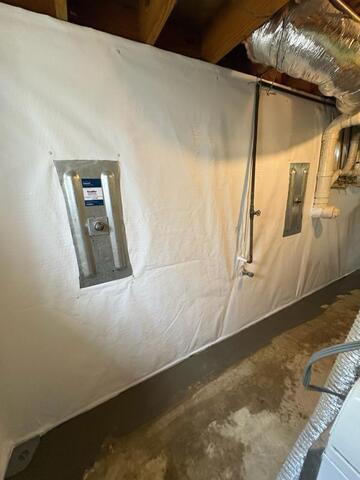
GeoLock wall anchors are used for foundation walls that are bowing, tilting or sliding inward. Steel anchors are placed in stable soil outside the home and connected to steel plates on the inside of the foundation wall. Together, they brace the wall and prevent further inward movement. In some cases, the system can be tightened over time to help move the wall toward a straighter position.
GeoLock requires enough usable soil outside the affected wall for the earth anchors. A nearby property line, pool, sidewalk, large tree or neighboring home may affect whether this system is practical.
EverBrace wall restoration
EverBrace is intended for severe foundation wall damage when the existing wall can no longer be trusted to carry the home’s structural load. Steel beams and wall panels are installed inside the basement, and specialized rigid foam fills the spaces between the new system and the old wall. The new steel system takes over the job of supporting the structure.
EverBrace may offer an alternative to removing and rebuilding the entire foundation wall, which can require major excavation and disruption around the home.
Other wall-repair methods may also be appropriate. For example, PowerBrace steel beams can stabilize certain bowing walls without exterior excavation, while CarbonArmor straps can stabilize some less severe wall movement. The condition of the wall and the space around the home help determine the right approach.
How Does a Foundation Specialist Choose the Right Repair?
A professional foundation inspection should examine the whole pattern of movement rather than focusing on one crack. At Frontier, the inspection may include:
-
Asking when the problem began and whether it has changed
-
Inspecting exterior brick, block and visible foundation walls
-
Looking for sticking doors, sticking windows and drywall cracks
-
Measuring floor elevations with a laser
-
Checking the crawl space for weakened beams, joists or supports
-
Comparing interior, exterior, and crawl space signs to see whether they line up
-
Evaluating the severity of wall movement and the space available for repairs
This process helps separate a sagging floor system from foundation settlement or wall failure. Some homes have more than one problem and may need a combination of repairs.
“So we take a lot of measurements, set up lasers, kind of see the levelness or unlevelness of the floors. … If there is a crawl space, then we’ll go do the crawl space inspection after that and just try to line everything up.”
— Chris Hull
Stabilization Comes Before Cosmetic Repairs
Homeowners often want to know whether cracks will close or floors and walls will return to their original positions. Some foundation systems provide an opportunity for lift or straightening, but the amount of movement that is safe and realistic varies by home.
The first goal is to stop additional movement. Once the structure is stable, homeowners can make informed decisions about drywall, flooring, trim, brick or other cosmetic repairs. Fixing those finishes before addressing the underlying movement may allow the same damage to return.
Do Not Wait for Foundation Damage to Spread
Foundation movement can place stress on other parts of the home. As settlement continues, a small area of damage may begin to affect walls, floors, doors, windows and finishes farther away. Earlier evaluation can give a homeowner more repair options and may limit the amount of additional damage.
“The whole house is glued and screwed together. It’s all one tight-knit thing. And when one section starts to move, it’s pulling on the rest of it.”
— Dustin Gebers
If you notice new cracks, uneven floors, sticking doors or a bowing foundation wall, schedule a free inspection with Frontier Foundation & Crawl Space Repair. Our team will measure the movement, identify the part of the structure that needs support, and design a repair plan for your home.
Frequently Asked Questions
Are helical piers or push piers better?
Neither system is best for every home. Helical piers are often well suited to lighter structures and specific access or soil conditions. Push piers are commonly used beneath heavier existing structures and can reach deep load-bearing soil or bedrock. An inspection determines which system fits the structure and settlement pattern.
Can foundation piers lift my house?
Helical and push piers may provide an opportunity to lift a settled section of a foundation, but lift cannot be promised for every home. The age of the damage, condition of the structure and risk of causing additional damage all affect what can safely be done. Stabilization is the primary goal.
What is the difference between GeoLock and EverBrace?
GeoLock anchors connect a damaged wall to stable soil outside the home to prevent additional inward movement. EverBrace creates a new steel support system inside the basement for a severely damaged wall. GeoLock requires suitable exterior access, while EverBrace is designed for walls with more advanced failure.
Can a home need more than one foundation repair system?
Yes. A home may have sagging floor joists in the crawl space, foundation settlement along an exterior wall and wall movement in another area. When more than one condition is present, a repair plan may combine systems to address each source of movement.