4.9
4.9 How to Monitor a Foundation Crack at Home (And When to Stop)
TLDR
A small foundation crack may not need immediate repair, but it should not be ignored. Take dated photos, measure the same area each month, and watch for other changes around your home. If the crack grows, leaks or appears alongside sticking doors, uneven floors or new cracks, stop monitoring and schedule a professional foundation inspection.
When you have cared for a home for many years, you get to know it well. You notice when a door starts sticking, a floor feels different or a crack appears where there was not one before. Finding a foundation crack can be worrying, but it does not always mean your home needs major repairs right away.
Some cracks stay the same for years. Others slowly grow as the foundation moves. The first step is to find out which kind you may be dealing with. You can watch a small crack for a short time if there are no other warning signs. If it changes or begins to affect the rest of the house, it is time to have it inspected.
Zachary W. has spent nearly two years servicing foundation and crawl space systems for Frontier. When he finds a foundation crack, he does more than look at the opening. He photographs the area, searches for related cracks and uses a laser level to check for changes across the foundation.
How to Track a Foundation Crack
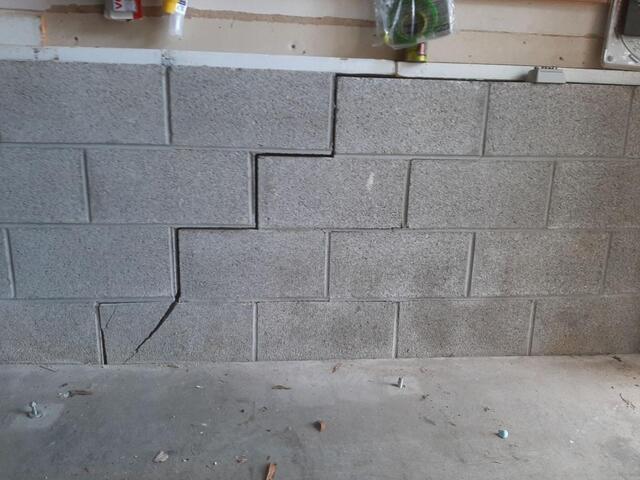
Start by taking a clear photo of the crack. Take one photo that shows where it is on the wall. Then take a close-up photo with a ruler or tape measure beside it. Write the date and location in a notebook, or keep the information with the photo on your phone.
Check the crack about once a month. Take each photo from the same angle and measure the same part of the crack every time. You do not need special tools. A simple record will make slow changes easier to see.
You should also look around the rest of your home. Zachary checks for other cracks that may be connected to the first one. He calls these “sister cracks.” Look near windows, doors, corners and the roofline. Write down any other changes you notice, such as:
- Doors or windows that start sticking
- Gaps around doors, windows or trim
- Floors that feel uneven
- New cracks in drywall, brick or concrete
- Water coming through a wall or crack
Southern weather can be hard on a foundation. Much of Tennessee, Kentucky and Alabama has clay soil. During a hot, dry summer, that soil can shrink and leave empty spaces below the home. During wet weather, water can soften or wash away soil. Check the crack after a long dry spell or several days of heavy rain. It is also wise to keep gutters clear and make sure downspouts carry water away from the foundation.
What Is a Crack Monitor?
If photos and a ruler do not give you a clear answer, a professional may use a crack monitor. This is a small gauge placed across the crack. Lines on the gauge show whether one side moves away from the other. Zachary says Frontier may use one when a homeowner wants to watch a crack closely or when the cause is not yet clear.
A crack monitor can show movement, but it cannot explain why the movement happened. It also needs to be placed and read correctly. A foundation professional can tell you if one would be useful for your home.
When Is It Okay to Keep Monitoring?
It may be okay to keep watching a small crack when it is not growing and there are no other signs of trouble. There should be no water coming through it, no new cracks nearby and no changes to your doors, windows or floors.
A professional may also suggest monitoring when it is not clear whether the crack came from foundation movement or a small flaw in the brick, mortar or concrete.
Do not assume a crack is harmless only because it has been there a long time. Zachary often hears homeowners say a crack has been there for 25 years. His answer is simple: “Just because it has been there 25 years does not mean it has not progressed.” Settlement often happens in small steps. Over the years, that movement can affect doors, windows, and even the roofline.
When Should You Stop Monitoring?
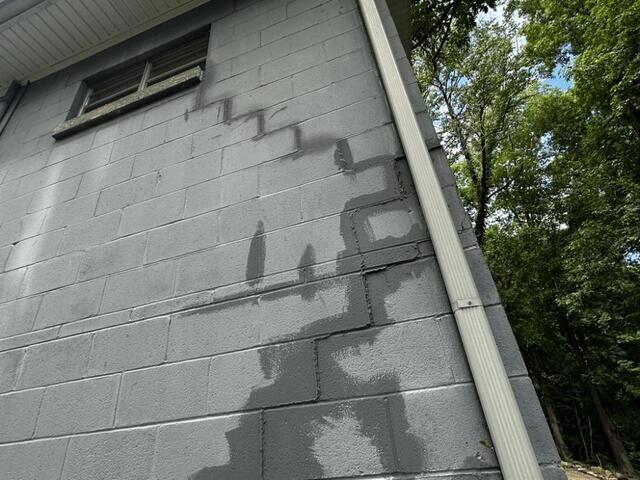
You know what is normal for your home. If something begins to look or feel different, trust that concern. Stop monitoring and schedule an inspection if:
- The crack gets wider or longer
- New cracks appear nearby
- Water comes through the crack
- Doors or windows begin sticking
- Floors become uneven
- Gaps open between walls, ceilings or trim
- The wall bows, leans or moves inward
- Brick, block or concrete becomes loose
Water coming through a crack is a strong reason to act. A wall that is bowing or moving inward also needs prompt attention. You do not need to wait for a crack to become large before asking someone to look at it.
How a Professional Checks for Movement
Your notes and photos can give a technician a helpful history, but they cannot show everything happening below the home. Zachary uses a laser level to check the height of the foundation at several points. If Frontier repaired the home before, he can compare the new readings with measurements recorded at the time of the repair.
A small difference may not call for an adjustment by itself. A larger change, severe cracking or water coming through the wall may show that the foundation needs to be stabilized. The full pattern matters more than the width of one crack. That is why Zachary checks the rest of the home before making a recommendation.
Do Not Cover the Crack Too Soon
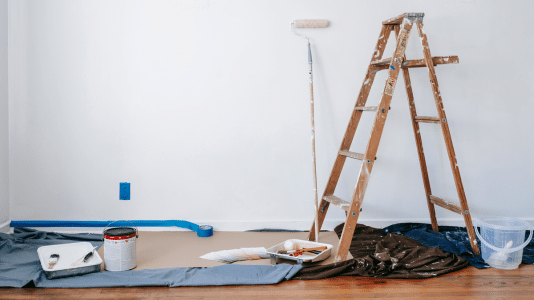
If you are getting a room ready to paint or making other updates, it may be tempting to cover the crack first. Filling it with mortar or drywall compound can make it harder to see whether it is still moving. A cosmetic repair also does not fix the cause of foundation settlement.
Zachary has seen homeowners remodel around settlement for years. A settling foundation can usually still be stabilized, but waiting may make it harder to lift the home closer to its original position. Stabilizing the home and lifting it are not always the same thing. It is better to understand the problem before covering the signs.
The Bottom Line
Monitoring can help you learn whether a small crack is changing. Take dated photos, measure the same area and pay attention to what you see and feel throughout the house. If the crack grows, leaks or appears with other warning signs, it is time to call a professional.
If you have found a foundation crack in your Tennessee, southern Kentucky or northern Alabama home, Frontier Foundation & Crawl Space Repair can help. During a free inspection, our team will look beyond the crack, check for other signs of movement and take the measurements needed to understand what is happening. We will explain our findings in clear terms so you can make the right decision for your home.
Frequently Asked Questions
How often should I check a foundation crack?
Check a small crack about once a month and after heavy rain or a long dry period. If it changes, do not wait until the next check to call a professional.
Can I tell if my foundation is settling by measuring a crack?
Not for sure. Your measurements can show that the crack changed. A professional inspection and laser measurements may be needed to find out if the foundation is settling.
Can foundation settlement be fixed?
Foundation settlement can usually be stabilized. However, it may not always be possible to lift the home fully back to its original position, especially when the movement has continued for a long time.