4.9
4.9 How Your Gutters and Foundation Are Connected
TLDR
Your gutters help control how rainwater moves around your home. Clogged gutters, short downspouts, and poor grading can allow water to collect near the foundation. In clay-rich soil, uneven moisture can contribute to expansion, shrinkage, and foundation movement. Keeping gutters clear, extending downspouts about 10 feet from the home, and maintaining a gentle slope away from the foundation can help reduce that risk.
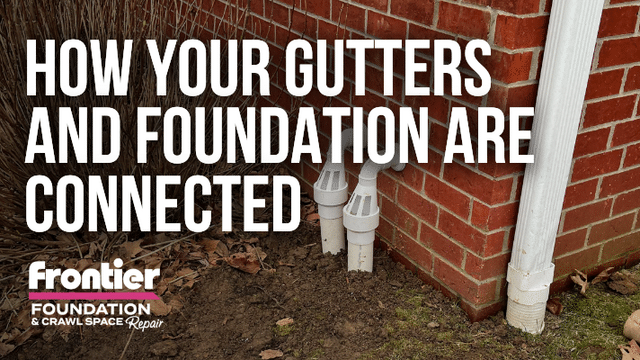
Gutters may seem like a small part of your home, but they play an important role in protecting the ground beneath it. When gutters and downspouts work properly, they collect rainwater from the roof and carry it away from the foundation. When they are clogged, damaged, or draining too close to the house, that water can collect around the foundation and contribute to soil movement, basement leaks, crawl space moisture, and structural concerns.
For homeowners across Central Tennessee, Southwest Kentucky, and Northern Alabama, managing water around the home is especially important. Much of our region has clay-rich soil that expands when it absorbs water and shrinks when it dries. Poor gutter drainage can make those moisture changes more uneven, leaving one area of the foundation exposed to wetter soil while another remains dry.
What Do Gutters Have to Do With Your Foundation?
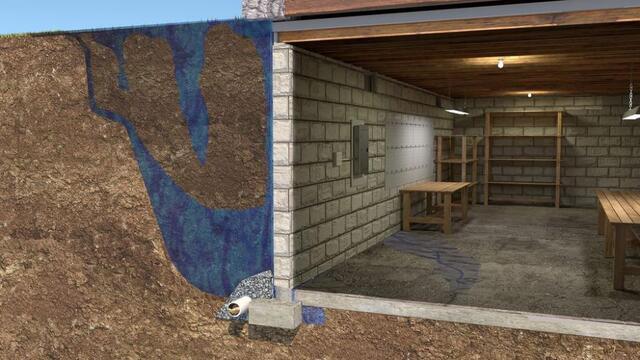
Every time it rains, water runs off your roof and has to go somewhere. A working gutter system directs that water into downspouts and away from the house. Without a clear path, water may spill over the sides of clogged gutters, pool near the foundation, or discharge from a downspout just a few inches from the home.
Dustin Gebers, Vice President of Frontier Foundation & Crawl Space Repair, explained the connection:
“To protect your foundation, you really should manage the water that is around your home by making sure that your gutters are clean and that the downspouts are extended away from the property at least about 10 feet or so.”
The goal is to keep roof runoff from repeatedly soaking the soil directly beside the foundation. This does not mean the ground around a home must stay completely dry. It means water should be directed in a controlled way so it does not collect in one area or flow back toward the house.
Why Water Around the Foundation Matters
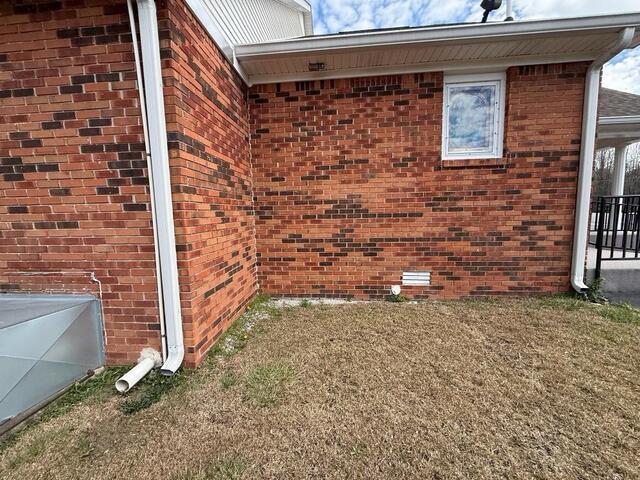
A foundation depends on the soil beneath and around it for support. When that soil changes, the foundation may move with it.
Clay soil is common throughout Frontier’s service area. It reacts to moisture more dramatically than many other soil types. During dry weather, clay loses moisture and contracts. During wet weather, it absorbs water and expands. Problems can develop when those changes happen unevenly around the home.
For example, a downspout that empties beside one corner of the house may keep that area much wetter than the soil along the opposite side. Clogged gutters can create a similar problem by sending a concentrated sheet of water over one section of the roofline. Over time, these uneven conditions may reduce consistent support beneath the foundation.
As Dustin explained when discussing dry soil and foundation movement:
“The house is sitting on top of that dirt. When that dirt starts to sink, the home’s going to move, too.”
The same need for consistency applies when rain returns. Clay that has dried and contracted may absorb water unevenly, causing some areas to swell faster than others. Proper gutter drainage helps move water away from the foundation instead of adding a concentrated source of moisture beside the home.
How Poor Gutter Drainage Can Affect Your Home
Water collecting around the foundation can contribute to several concerns.
1. Foundation movement
Repeated changes in soil moisture can cause clay soil to expand and shrink. If the soil beneath one portion of the home changes more than another, the foundation may settle or shift unevenly. Homeowners may begin to notice drywall cracks, stair-step cracks in brick, sticking doors or windows, or sloping floors.
2. Basement water intrusion
When soil beside a basement becomes saturated, water can place pressure against foundation walls and find its way through cracks, joints, or other openings. Signs may include damp walls, water along the floor perimeter, musty odors, or visible staining.
3. Crawl space moisture
Poor drainage can also direct water toward or beneath a crawl space. Standing water and elevated humidity can contribute to mold growth, wood moisture, falling insulation, and musty odors that may travel into the living area.
4. Soil erosion
Water pouring over a clogged gutter or discharging too close to the home can gradually wash away soil. Visible channels in landscaping, bare areas beneath the roofline, or soil pulling away from the foundation can indicate that runoff is not being controlled properly.
Three Ways to Improve Drainage Around Your Foundation
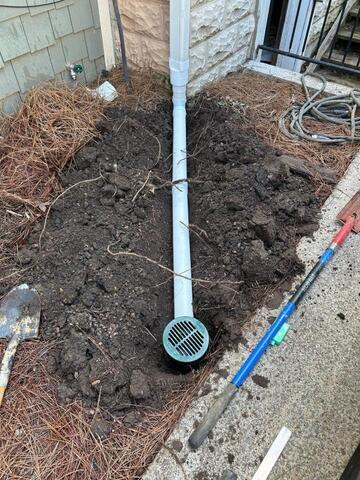
Homeowners can take a few practical steps to help rainwater move away from the house.
1. Keep gutters clear
Leaves, pine needles, roofing material, and other debris can block the flow of water. Check gutters regularly and watch how they perform during rainfall. Overflowing water or water spilling behind the gutter may signal a clog, improper pitch, or damage that needs attention.
2. Extend downspouts away from the home
Dustin recommends extending downspouts about 10 feet from the house. A short extension may move water away from the wall without moving it far enough from the foundation. Make sure the discharge point does not send water toward a neighboring property, driveway, walkway, or another low area that allows it to flow back.
3. Maintain a gentle slope away from the foundation
The soil surrounding the home should guide surface water away from the foundation. Dustin noted that homes located near a hill also need a clear path for runoff to travel around the house:
“When it does rain and it comes down the hill towards the house, it has a pathway to be able to get around the house rather than just coming up against the house.”
Low spots, settled landscaping, or flower beds that slope toward the home can hold water beside the foundation. Correcting the grade can help water continue into the yard instead.
Signs Your Drainage May Be Affecting the Foundation
Walk around your home during or shortly after a steady rain and look for:
- Water overflowing from the gutters
- Downspouts draining beside the foundation
- Puddles or soft soil near the house
- Washed-out mulch or channels in the landscaping
- Soil sloping toward the foundation
- Water entering the basement or crawl space
- New cracks in drywall, brick, or the visible foundation
- Doors or windows that have started sticking
These signs do not automatically mean the home needs foundation repair. They do show that the source of the water or movement is worth investigating.
Why Drainage Is Part of a Foundation Inspection
A professional foundation inspection should look beyond the crack or sticking door that first caught the homeowner’s attention. At Frontier, the inspection includes measurements inside and outside the home, along with an evaluation of the crawl space or basement when applicable. The design specialist also checks drainage, grading, and downspout placement.
Dustin explained why:
“We’re going to check the downspouts to make sure that any water is getting away from the house properly, because when we fix the problem, we also want to try to fix the root cause, if there is one, at the same time.”
This helps determine whether the concern is structural, moisture-related, drainage-related, or connected to another part of the home. Every property has different soil conditions, slopes, drainage patterns, and construction details, so the right recommendation depends on what is actually happening.
Schedule a Free Foundation Inspection
Clean gutters and properly placed downspouts are simple forms of home maintenance, but they can have a meaningful effect on the soil surrounding your foundation. If you have noticed cracks, sticking doors, uneven floors, basement water, crawl space moisture, or drainage problems around your home, a professional inspection can help identify the cause.
Frontier Foundation & Crawl Space Repair provides free, no-obligation inspections across Central Tennessee, Southwest Kentucky, and Northern Alabama. Our team will evaluate the home, explain our findings, and recommend a solution based on the conditions affecting your property.
Frequently Asked Questions
Can clogged gutters cause foundation problems?
Clogged gutters can allow water to overflow and collect beside the foundation. In clay-rich soil, the added moisture may contribute to uneven expansion and movement.
How far should downspouts extend from the house?
Dustin recommends extending downspouts about 10 feet from the home so roof runoff is discharged farther from the foundation.
Can gutters cause water in a basement or crawl space?
Gutters do not create groundwater, but clogged gutters or poorly placed downspouts can concentrate rainwater beside the home and increase the chance of water intrusion.
What type of grading is best around a foundation?
The ground should have a gentle slope away from the foundation so surface water continues into the yard rather than collecting beside the house.
When should I schedule a foundation inspection?
Consider an inspection if you notice new cracks, sticking doors or windows, uneven floors, water intrusion, or persistent pooling near the foundation. An evaluation can help determine whether the issue is structural or related to drainage.