4.9
4.9 What a Drought Does to Your Foundation
TLDR
Prolonged drought across Central Tennessee, Southwest Kentucky, and Northern Alabama can have a significant impact on your home's foundation. As clay soil loses moisture, it shrinks and may no longer provide consistent support beneath your home. This movement can lead to cracks, sticking doors and windows, uneven floors, and other structural concerns. Even after rain returns, expanding soil can create additional movement. Knowing what to watch for and scheduling a professional inspection when warning signs appear can help prevent more extensive damage and costly repairs.
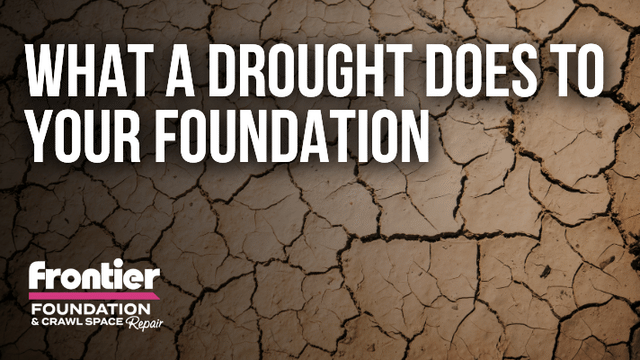
If you've noticed new cracks in your walls, doors that suddenly stick, or gaps forming around your foundation this summer, you're not alone. Across Central Tennessee, Southwest Kentucky, and Northern Alabama, prolonged drought conditions are changing the soil beneath thousands of homes.
While many homeowners associate foundation problems with heavy rain, extended dry weather can be just as damaging. In fact, long-term drought can cause clay soil to shrink enough that portions of a home's foundation lose support.
Understanding what's happening beneath your home can help you recognize the warning signs early and avoid more costly repairs later.
Current Drought Conditions Across Our Region
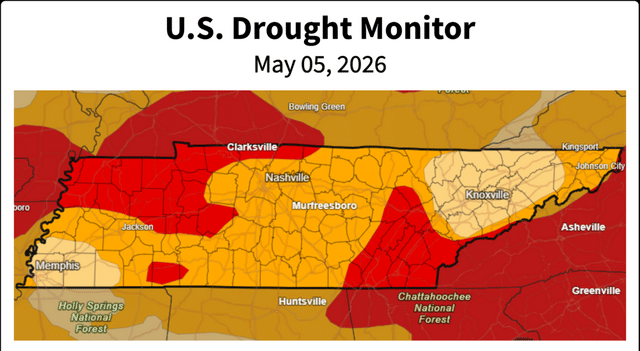
Much of the South is currently experiencing moderate to exceptional drought conditions due to a prolonged rainfall deficit over the past several months. Rather than being a short stretch of dry weather, this represents a long-term shortage of moisture that extends deep into the soil profile.
These conditions affect more than lawns and landscaping. They reduce moisture throughout the ground supporting homes, especially in areas with expansive clay soils like those found throughout Central Tennessee, Northern Alabama, and Southwest Kentucky.
When drought persists, the soil beneath your home begins to behave differently than it would during a typical summer dry spell.
Why Clay Soil Causes Foundation Problems
Our region is known for its clay-rich soils. Unlike sandy soils that drain quickly and change very little with moisture levels, clay expands when it absorbs water and shrinks as it dries.
During an extended drought, that shrinkage can occur several feet below the surface.
"As the clay soil dries up, it has a tendency to start to shrink," explains Dustin Gebers, Frontier's Vice President. "The house is sitting on top of that dirt. When that dirt starts to sink, the home's going to move, too."
A brief dry period typically affects only the upper layer of soil. During a deep drought, however, moisture is pulled from much deeper within the ground. That means the entire layer supporting your foundation may begin shrinking rather than just the surface.
As clay contracts, it can:
- Pull away from foundation walls
- Create voids beneath concrete slabs
- Reduce the support beneath footings
- Cause portions of the home to settle unevenly
This movement often happens gradually, making the warning signs easy to overlook until more noticeable damage appears.
What Happens When the Rain Returns?
Many homeowners assume rain immediately solves drought-related problems.
In reality, the transition back to wet weather can create another round of movement.
After months of drying, clay soil absorbs water unevenly. Some areas expand faster than others, causing the foundation to shift again.
Melissa Stratton, one of Frontier's Design Specialists, explains it simply:
"As it dries out, everything shrinks and contracts. When everything gets wet, everything expands and gets bigger. That causes movement of the foundation."
This repeated cycle of shrinking during drought and swelling after heavy rain places continual stress on foundations throughout our service area.
Early Warning Signs to Watch For
Foundation movement often begins with subtle symptoms before larger structural issues develop.
Dustin recommends watching for:
- Doors or windows that suddenly stick
- Cracks above doors or windows
- Stair-step cracks in brick
- Hairline cracks around the exterior foundation
- New drywall cracks inside the home
"There's no such thing as typical settlement," Dustin says. "A house shouldn't move. If you're seeing any type of cracking inside your house or out, then that means something has moved."
Melissa says she also looks for sloping floors and visible changes around the exterior during every inspection.
Even if these issues seem minor, they're worth paying attention to, especially during periods of prolonged drought.
What Frontier Looks for During a Foundation Inspection
One of the biggest misconceptions homeowners have is that foundation inspections rely on visual observations alone.
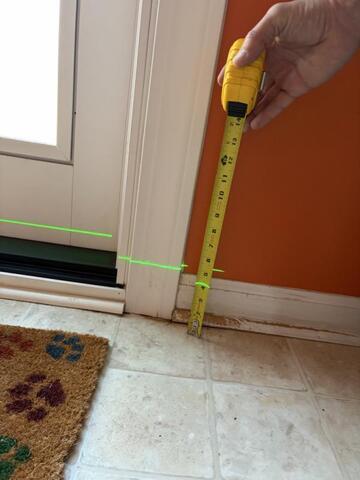
At Frontier, inspections combine visual evaluations with precision measurements to determine whether movement has occurred.
According to Dustin, inspectors evaluate both the interior and exterior of the home using laser equipment to accurately measure elevation changes.
"The laser is perfect," he explains. "The foundation should also be perfect."
Inspectors also evaluate factors that may contribute to future movement, including:
- Drainage around the home
- Downspout placement
- Surface grading
- Crawl space or basement conditions
- Moisture and humidity levels where applicable
Melissa says laser measurements allow homeowners to actually see where movement has occurred rather than relying on guesswork.
How Homeowners Can Help Protect Their Foundation During Drought
While no homeowner can control the weather, there are several steps that can help reduce stress on a foundation.
Dustin recommends:
- Keep gutters free of debris.
- Extend downspouts at least 10 feet away from the home.
- Maintain positive grading so water flows away from the foundation.
- Watch for new cracks instead of assuming they're cosmetic.
- Measure cracks with tape or another reference point to determine whether they're changing over time.
Proper water management becomes especially important once rain returns, as directing water away from the foundation helps prevent uneven soil saturation.
Don't Wait for Small Problems to Become Expensive Repairs
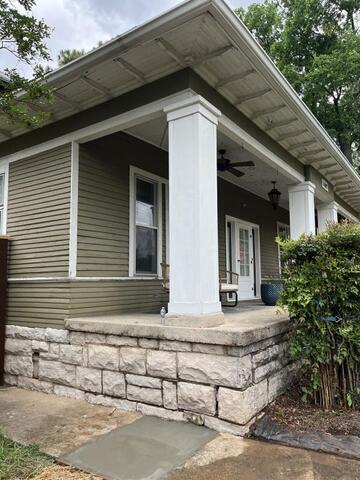
Foundation movement rarely improves on its own.
As one portion of a home settles, stress is transferred throughout the rest of the structure.
"If one side's settling, it's pulling on the rest of it," Dustin explains. "The longer you wait, the more costly it's going to be."
The good news is that not every crack indicates a major structural issue. Sometimes movement is minor, and sometimes the problem is unrelated to the foundation altogether.
That's why Dustin encourages homeowners not to guess.
"It doesn't cost anything to have a professional come out there and take a look at it. We'll let you know if it's a foundation issue or if it could just be a drywall problem."
Serving Homeowners Throughout Central Tennessee, Southwest Kentucky & Northern Alabama
Drought affects every home differently because every home sits on different soil, has different drainage patterns, and experiences different moisture conditions.
If you've noticed cracks, sticking doors, uneven floors, or other changes during this season's drought, having your home professionally evaluated can provide peace of mind and help identify issues before they become more significant.
At Frontier Foundation & Crawl Space Repair, every inspection is focused on identifying the root cause of the problem and recommending solutions that fit your home's unique conditions, because no two foundations are exactly alike.
Frequently Asked Questions
Can drought damage a new home's foundation?
Yes. Foundation movement is caused by soil conditions, not the age of the home. Even newer homes can experience settlement during prolonged drought.
Are foundation cracks always caused by drought?
No. Foundation cracks can result from several factors, including poor drainage, expansive soils, tree roots, or normal soil movement. A professional inspection can identify the underlying cause.
Can tree roots make drought-related foundation problems worse?
Yes. Large trees absorb significant amounts of water from the soil. During a drought, this can dry the soil even faster near your home's foundation and contribute to uneven settlement.
How often should I have my foundation inspected?
If you've noticed new cracks, sticking doors, or other signs of movement, schedule an inspection as soon as possible. Otherwise, it's a good idea to have your foundation evaluated if you notice changes after extended periods of drought or heavy rainfall.