4.9
4.9 Preventing Foundation Movement as the Ground Shifts from Cold to Warm
As winter fades and temperatures begin to rise, you might be ready to welcome the warmer weather. However, the transition from cold to warm is one of the most critical times for your home's structural integrity. The ground beneath your feet is going through a massive physical change—known as the freeze-thaw cycle—which can wreak havoc on your foundation if you aren’t prepared. Understanding how this seasonal shift affects the soil is the first step in preventing costly damage.
The Science: What Happens When the Ground Thaws?
During the winter, moisture in the soil freezes. When water freezes, it expands by about 9%, pushing the soil upward and outward—a process called "frost heave." This puts immense pressure on your foundation walls from the outside.
As spring approaches and the ground warms, that frozen soil melts. This creates two major problems:
- The "Mud" Effect: The thawing soil often turns into a heavy, saturated mud. This soil loses its ability to bear weight effectively, potentially causing your foundation to settle or sink unevenly.
- Hydrostatic Pressure: The melted ice (plus spring rains) creates excess water that pushes against your foundation walls. If your drainage isn't perfect, this pressure can force water through microscopic cracks in the concrete, leading to leaks and bowing walls.
Early Warning Signs to Watch For
Frontier Foundation & Crawl Space Repair suggests keeping an eye out for specific "red flags" that often appear during this seasonal transition. You can even spot some of these while doing your spring cleaning or redecorating:
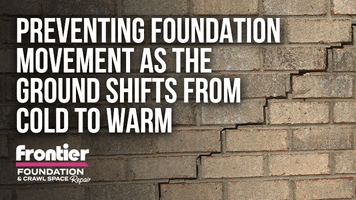
- Stair-Step Cracks: Look for cracks that look like steps in your brickwork or concrete blocks, especially near corners, windows, and doors.
- Sticking Doors and Windows: If a door that worked fine in January suddenly jams in April, your foundation frame may have twisted due to soil movement.
- Uneven Floors: A "bouncy" or sloping floor can indicate that the support columns in your crawl space or basement are shifting as the soil softens.
- Gaps in Trim: Look for places where molding or baseboards have pulled away from the wall or floor.
5 Steps to Prevent Seasonal Foundation Damage
To protect your home as the ground shifts, follow these preventative measures recommended by foundation professionals.
1. Master Your Drainage
The most effective way to prevent foundation movement is to manage the water around it. Gutters and downspouts are your first line of defense.
- Clean them out: Winter storms often fill gutters with debris. A clogged gutter deposits water directly at the base of your foundation, saturating the soil exactly where you don't want it.
- Extend downspouts: Ensure your downspouts discharge water at least 6 to 10 feet away from your home. If they dump water right next to the wall, you are accelerating the freeze-thaw damage.
2. Check Your Sump Pump
If you have a basement or crawl space, the spring thaw is "game time" for your sump pump.
- Test it now: Pour a bucket of water into the sump pit to ensure the pump activates and ejects water efficiently.
- Battery Backup: Spring storms often bring power outages. Frontier recommends systems like the TripleSafe™ Sump Pump, which includes a battery backup to keep your basement dry even when the power goes out.
3. Maintain Proper Grading
The soil around your house should slope away from the foundation. Over time, the soil near your walls can settle (often due to that same freeze-thaw cycle), creating a "trough" that collects water. Fill in these low spots with dense soil to encourage water to run off into your yard rather than soaking into your foundation.
4. Control Humidity and Moisture from Within
Foundation damage isn't just about water coming in; it's also about moisture control under the home.
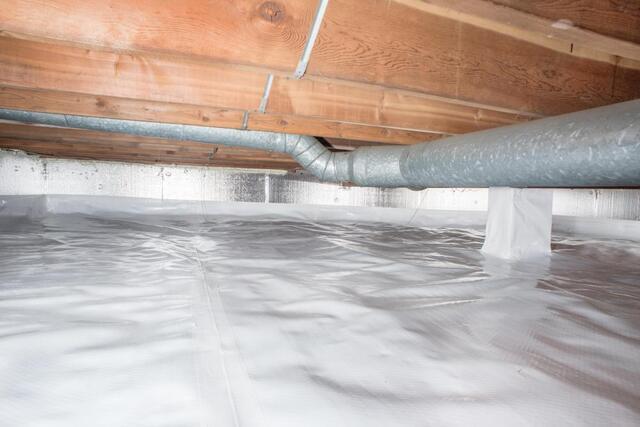
- Encapsulation: For homes with crawl spaces, sealing the area with a durable vapor barrier (like Frontier’s CleanSpace®) prevents ground moisture from softening the soil under your home's supports.
- Dehumidification: Using a high-capacity dehumidifier (such as the SaniDry™ Sedona) helps stabilize humidity levels, preventing wood rot in your floor joists and keeping the environment stable.
5. Inspect and Seal Cracks Early
Small hairline cracks can turn into major structural failures after a few seasons of expanding and contracting. Inspect your foundation walls, interior, and exterior. If you see cracks widening, sealing them early prevents water from getting inside and freezing during the next cold snap, which would pry the crack open further.
When Prevention Isn't Enough
If you notice significant movement—such as bowing walls or large cracks—prevention tips may no longer be enough. In these cases, professional solutions are required to stabilize the home.
You don't have to live with stressful foundation problems. Frontier Foundation & Crawl Space Repair will conduct a thorough inspection of your home, and we'll let you know exactly what steps need to be taken to permanently stabilize your foundation -- restoring value to your greatest investment. Contact us today to request your free foundation repair estimate!