4.9
4.9 Why Is Concrete Damaged After Ice and Snow?
TL;DR
Ice, snow, and rock salt don’t just disappear when winter ends. They quietly damage your concrete. Rock salt lowers water’s freezing point, allowing moisture to soak into porous concrete, refreeze, and expand, which leads to cracking, spalling, and surface breakdown. Added chemicals and calcium-based salts can also trigger permanent chemical reactions inside the slab, causing long-term deterioration that isn’t weather-dependent.
What Happens When I Use Rock Salt?
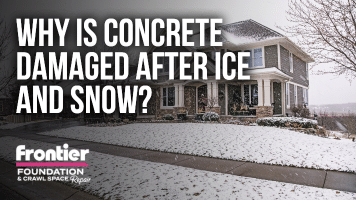
Rock salt melts ice and snow by lowering the freezing point of water. Concrete is porous and soaks up that water like a sponge. Once inside, the water freezes again, expanding and causing the cracks and gaps in the slab to widen or surface flaking and spalling.
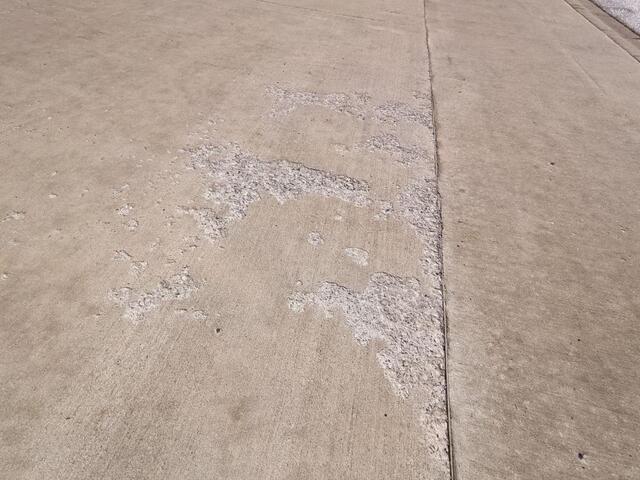
One characteristic of rock salt is that it pulls moisture from the air. This helps melt ice faster, but it also keeps the concrete wet longer. Constant moisture breaks down the bonds in the concrete, accelerating deterioration.
Isn’t it Just Salt?
Rock salt is like table salt, but it doesn’t go through the refinement for human consumption. It often contains calcium compounds, magnesium compounds, and tiny rock particles. Sodium ferrocyanide and ferric ferrocyanide are sometimes added to prevent salt clumping in the bag.
When the ice and snow melt, these compounds and chemicals are also absorbed into the concrete. If calcium chloride-based salts are used in your rock salt, they react with calcium hydroxide already present in the concrete to create calcium oxychloride (CAOXY). A chemical reaction occurs, and the CAOXY crystals grow, causing cracks and fissures to form in the slab. Unlike freeze–thaw damage, this process does not depend on temperature and causes permanent deterioration of the concrete.
What Do I Use Instead of Rock Salt?
- Sand can be used instead of salt to create traction. It isn't the most popular choice as it can be quite expensive to clean off the roads and sidewalks. It can also damage infrastructure, as it may flow into drainage systems, creating clogs.
- Cheese and Pickle Brine work the same as rock salt, but the salt is trapped in the liquid instead of being stored in the larger crystals of rock salt. The brine will also soak into the concrete, forming a barrier of natural antifreeze and creating a top layer that prevents snow from sticking to the concrete.
- Beet Molasses: Produced from refining beet sugar, beet molasses' sugar content lowers the freezing temperature of water, much like salt does. However, when mixed with small quantities of salt, the sticky mixture maximizes the effect of the salt and reduces salt runoff.
What if I Already Have Damage?
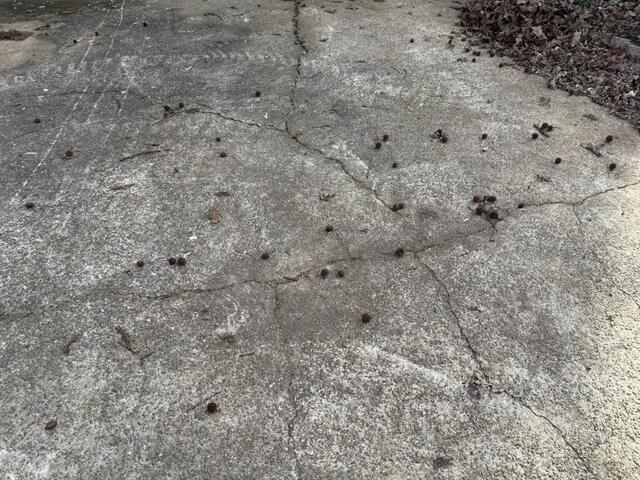
Your concrete may already be carrying damage from years of rock salt and ice melt, even if it isn’t obvious at first glance. Cracks, widening gaps, or uneven sidewalks and driveways are often signs that water has worked its way below the slab, washing out the soil underneath and weakening the surface above.
That’s where Frontier Foundation and Crawl Space Repair can help. We use PolyLevel to fill voids beneath settled concrete and restore stability, NexusPro to seal cracks and joints to keep water out, and protective sealants to reduce future moisture absorption. Together, these solutions stop ongoing damage and help extend the life of your concrete.
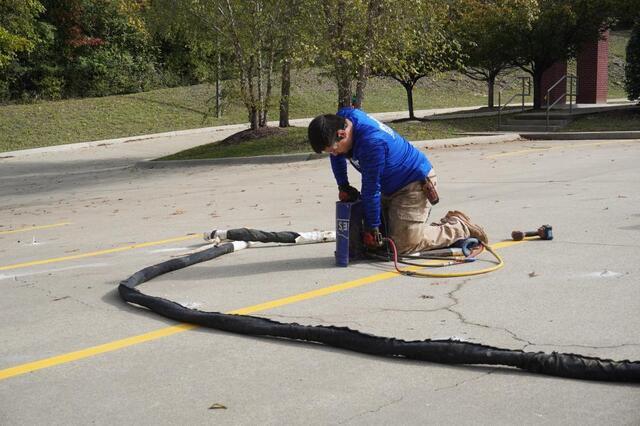
If you’re noticing changes in your driveway, sidewalk, or patio, don’t wait for the damage to spread.
Schedule a concrete inspection with Frontier today and protect your surfaces before the next freeze-thaw cycle does more harm.