4.9
4.9 What Really Happens When You Close Crawl Space Vents in the Winter
TLDR
Closing crawl space vents in the winter may seem like a smart way to block cold air and lower heating bills, but it doesn’t fully protect your home. Even with vents closed, cold air and moisture can still enter through cracks and gaps, leading to frozen pipes, higher energy costs, mold growth, and poor indoor air quality. Crawl space encapsulation seals the space from outside air and moisture, helping keep your home warmer, drier, and healthier throughout the winter.
When it comes time to winterize the home, closing crawl space vents is often on the list of to-dos. This yearly task’s purpose is to prevent freezing air from entering the space and save on heating bills, but it fails in practice to protect your home or your wallet. Frontier Foundation and Crawl Space Repair offers inspections to identify areas of vulnerability in your home and recommend protection against winter conditions.
Air Leaks Into Your Crawl Space
Tennessee, Southwest Kentucky, and Northern Alabama all reach below freezing during the winter months. Leaving crawl space vents open brings your crawl space down to a similar temperature as it is outside, exposing your pipes to freezing temperatures and causing the HVAC to work overtime. You end up spending money to heat your neighborhood’s air.
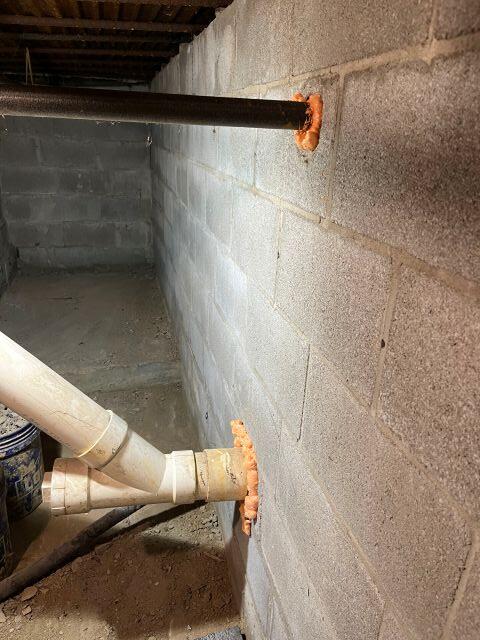
Closing vents gives homeowners the illusion that air can’t enter the space, but air can still infiltrate through cracks in the foundation, gaps in wood joists, and openings created by plumbing and utilities.
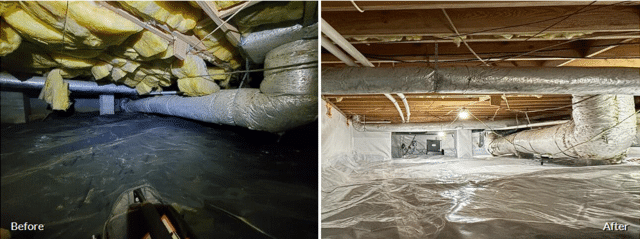
Encapsulation stops outside air from entering the crawl space. During the encapsulation process, Frontier uses RimTite to seal crawl space vents and all potential leaks into the space, preventing frozen pipes and saving you money on heating costs.
Moisture Saturates Your Crawl Space
In winter, the moisture content in the air is lower, a stark contrast to summer humidity. Open vents subject the wood joists and boards to a yearly cycle of moisture saturation and drying, which causes them to warp and buckle.
Closing crawl space vents halts the drying of the crawl space. Heavy winter rains soak the ground beneath the home, and evaporation adds humidity, creating a prime environment for mold.
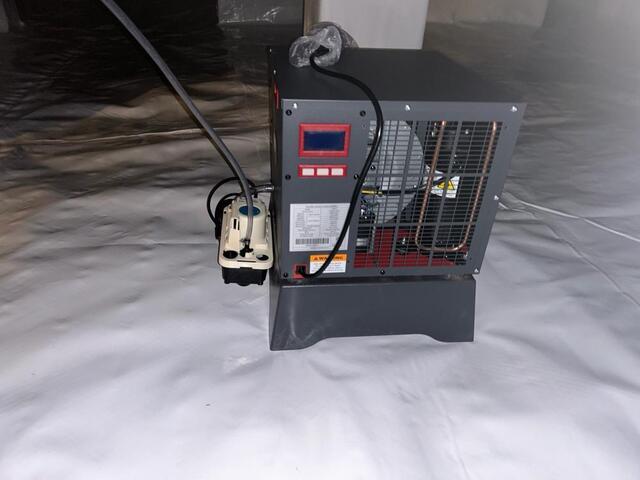
When Frontier encapsulates the crawl space with the CleanSpace 20-mil moisture barrier, groundwater never has the opportunity to reach the crawl space. An added installation of the SaniDry Sedona dehumidifier ensures the crawl space stays dry and unfit for mold.
Unsafe Air Enters Your Home
Your home breathes in air from the lowest point of the home and exhales it through the top, a process called the stack effect. Whether the vents are open or closed, unsafe air harboring mold spores, musty odors, and humid air enters your home from underneath.
The only way to ensure air is dry and safe is to bring the crawl space into the envelope of the home. Encapsulating the crawl space seals off all outside air, reduces moisture, and prevents the growth of dangerous organisms that could enter your home.
Get Peace of Mind This Winter
Winter is the time to enjoy the home you work hard to keep safe for your family. Discovering that hidden mold is lurking below your home or that your heating bill is high because of air infiltration can feel like the rug has been pulled out from under you. Frontier Foundation and Crawl Space Repair will conduct a free, no-obligation inspection and provide solutions tailored to you and your home.
Read more...